
Mammoth Lakes US 395 Wildlife Crossings

Protecting ancient migration routes across the Eastern Sierra

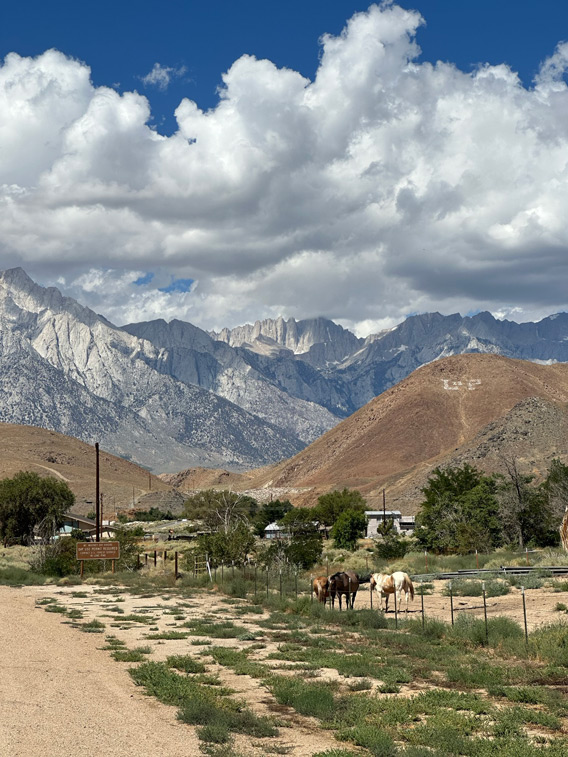
Mammoth Lakes, California

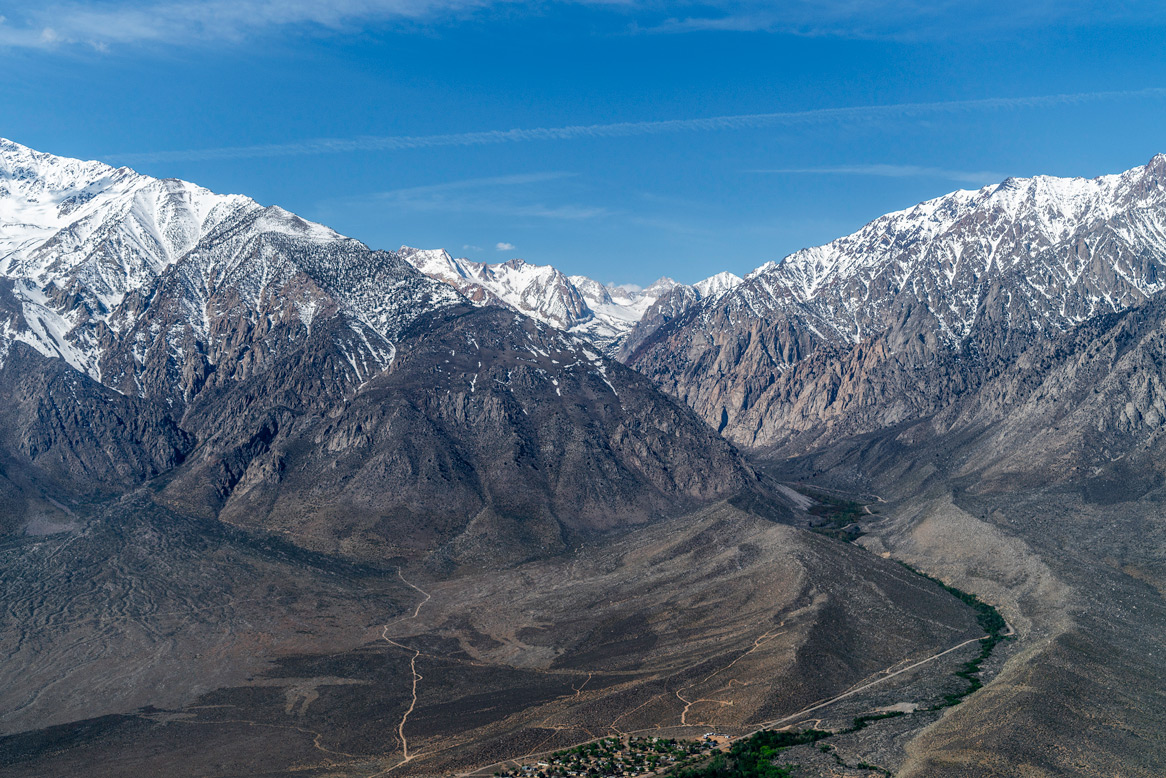
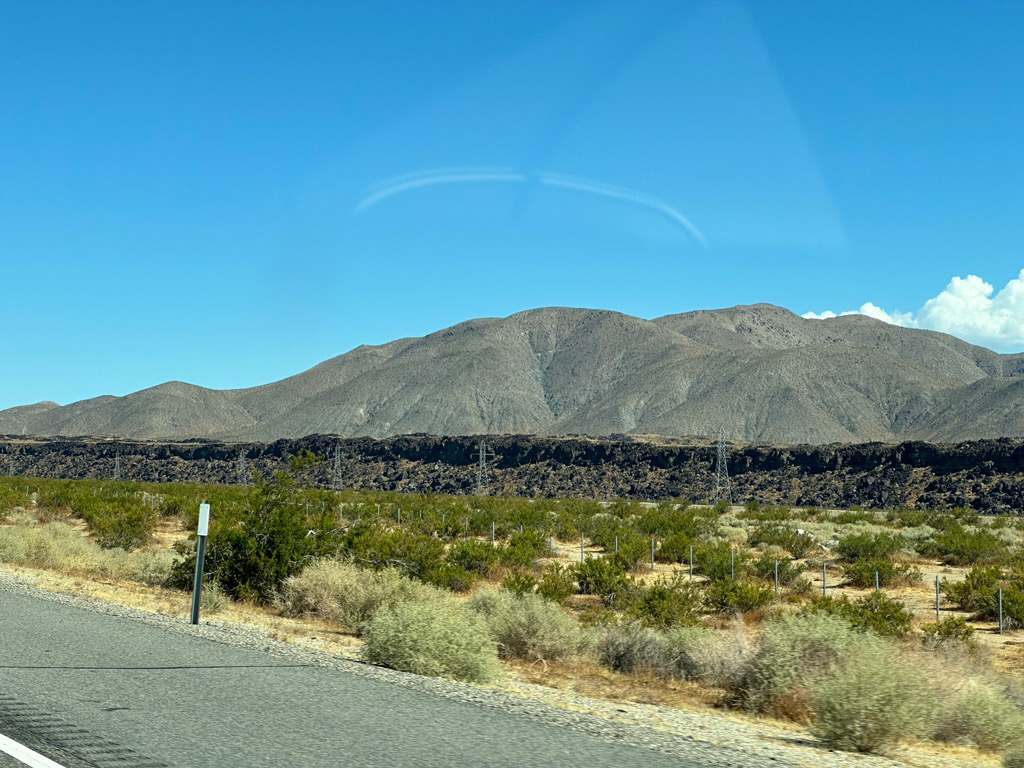
For thousands of years, mule deer have followed seasonal migration routes across the Eastern Sierra Nevada, moving between high-elevation summer ranges and lower winter habitat.

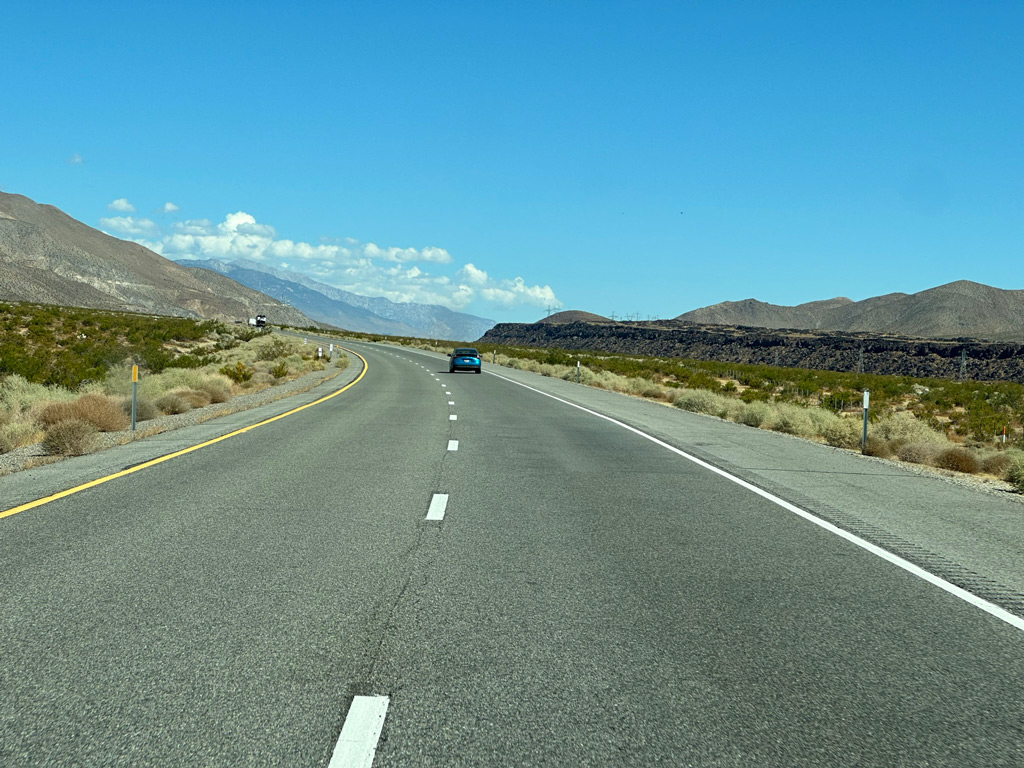
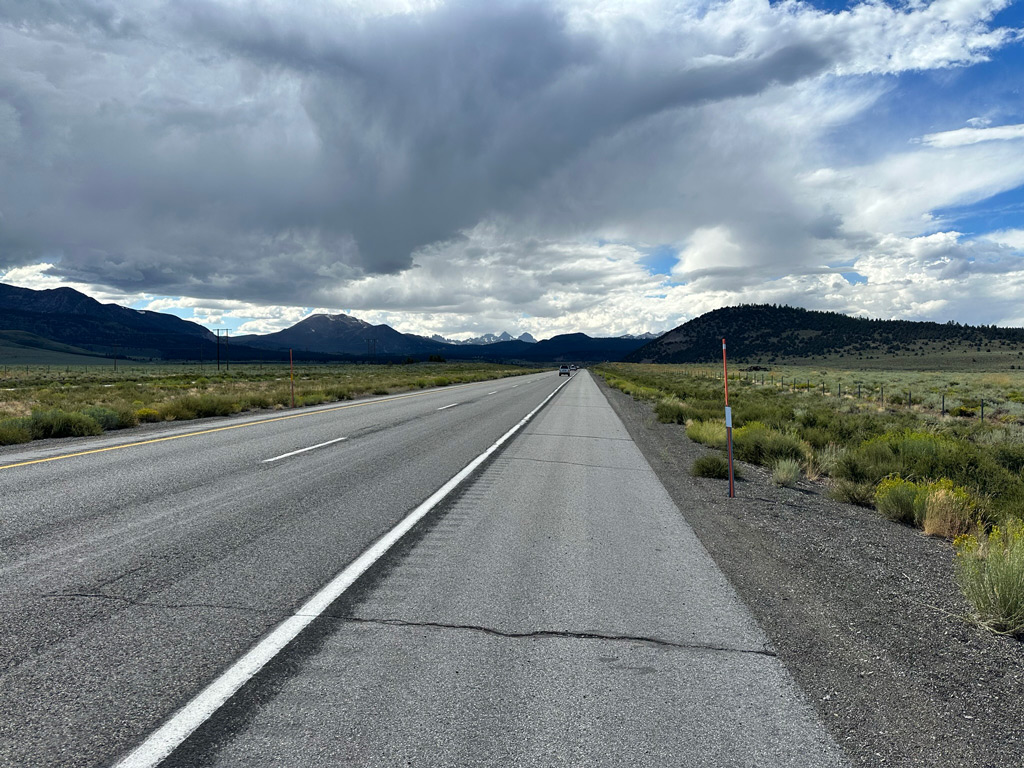
Today, US Highway 395 intersects those historic pathways, creating the region’s most significant wildlife-vehicle collision hotspot and threatening one of California’s most important migration corridors.

Mammoth Lakes, CA

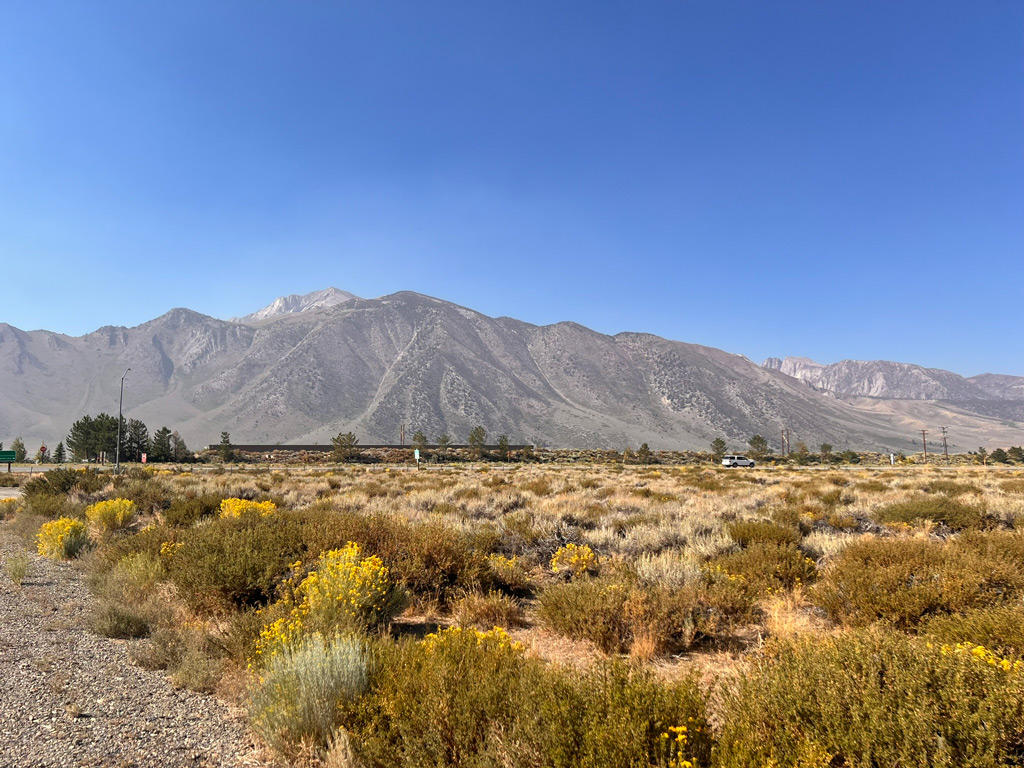
The corridor affects far more than mule deer. Black bears, mountain lions, bobcats, Sierra Nevada red fox, and other wildlife also depend on safe movement through the region.

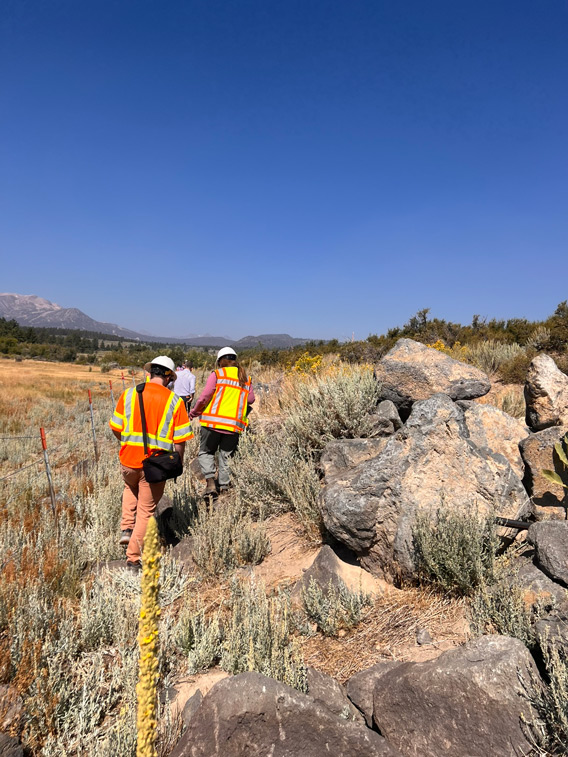
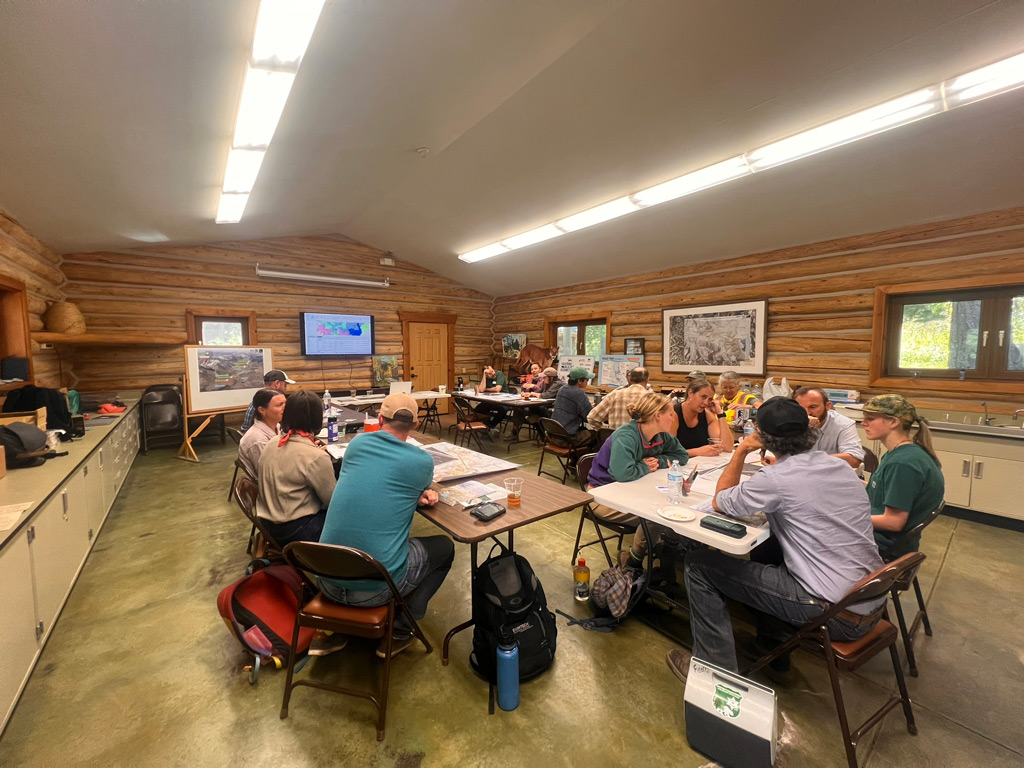
Rock Design Associates is a partner in the Eastern Sierra Wildlife Stewardship Team, a broad coalition of public agencies, conservation organizations, Tribal partners, local governments, and community stakeholders working to improve wildlife passage along this critical stretch of highway.

Mammoth Lakes, CA

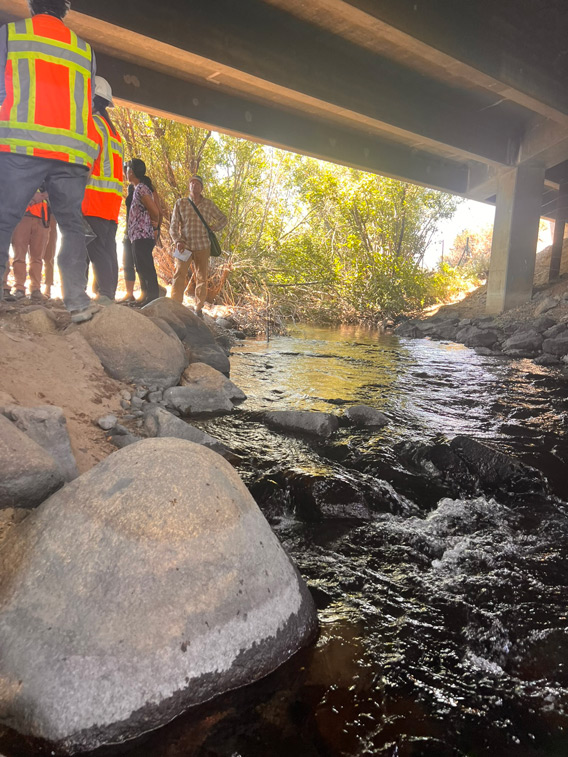
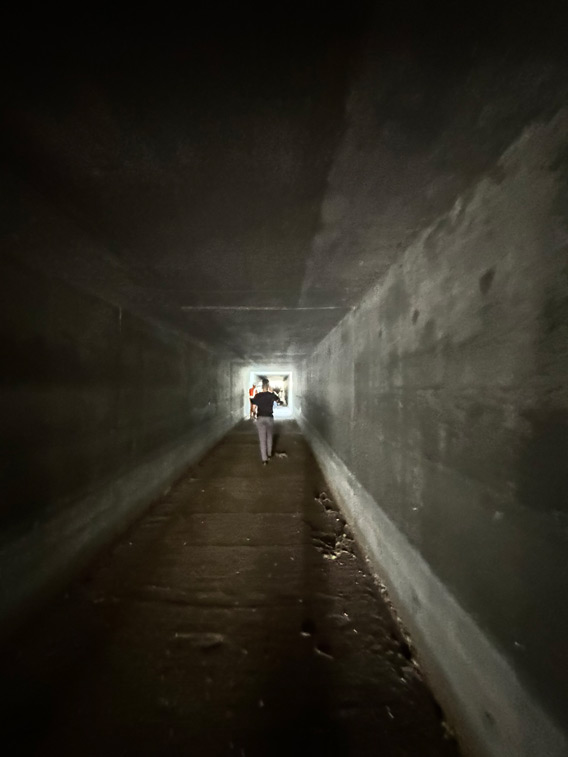
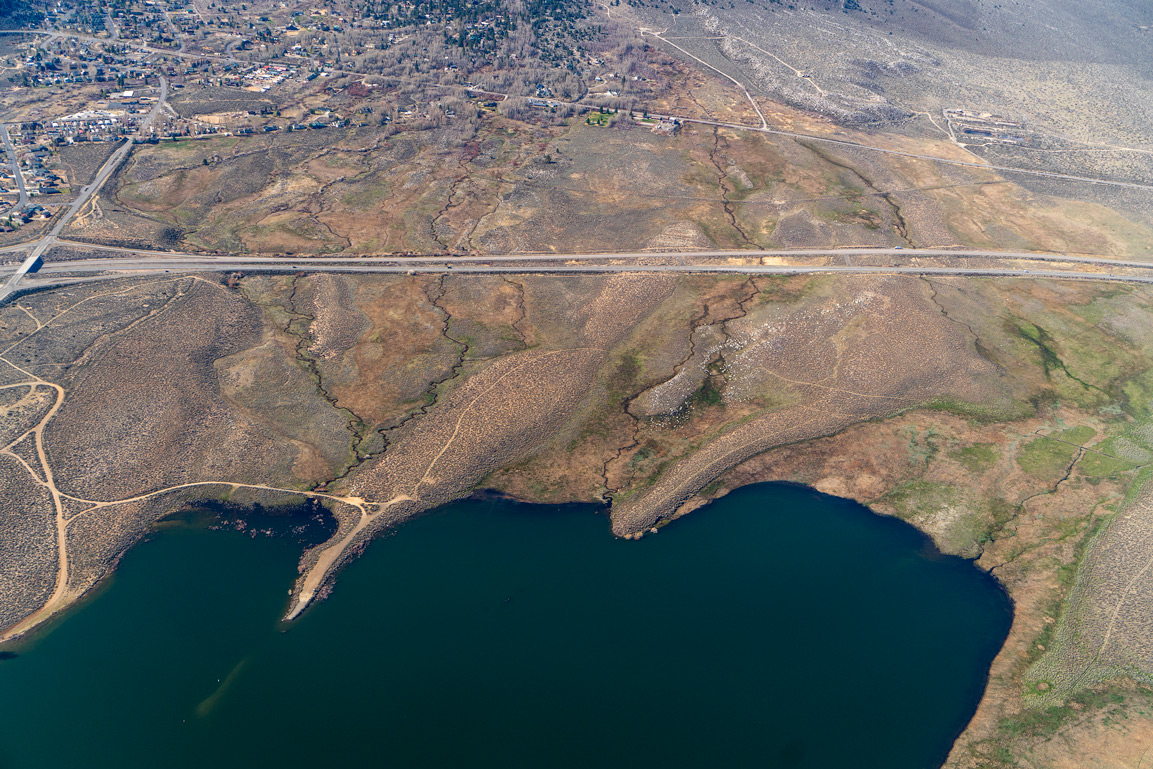
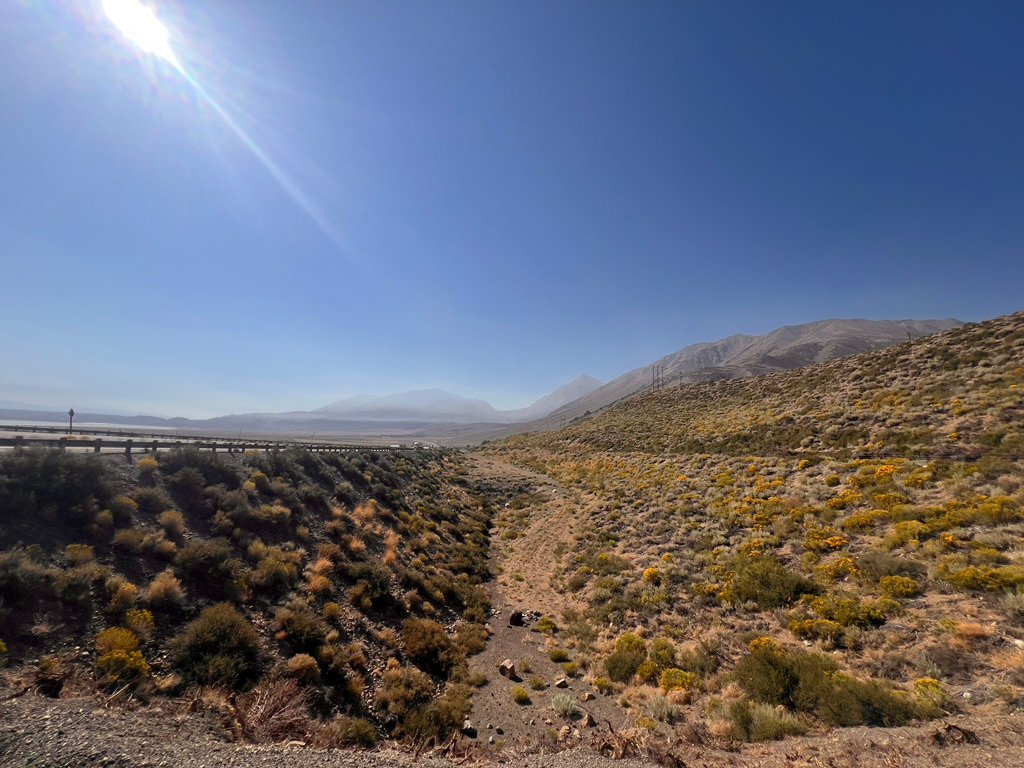
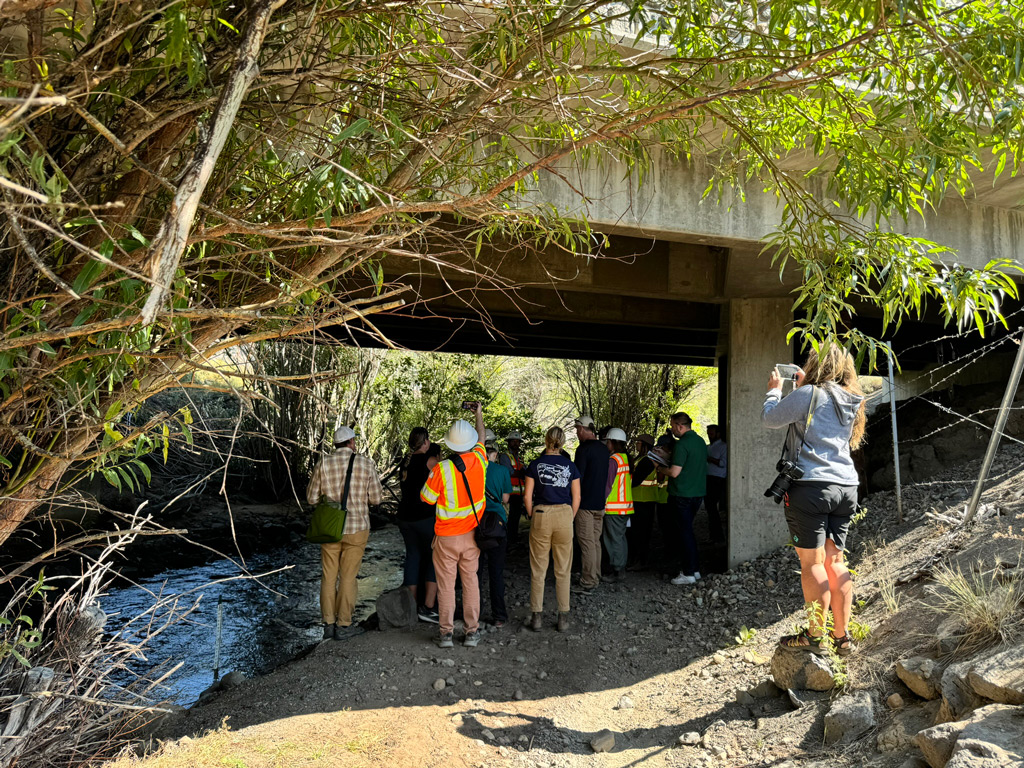
Proposed improvements include a wildlife overcrossing at Morrison Hill, an underpass at Convict Creek, wildlife-exclusion fencing, jump-outs, and Intelligent Transportation Systems designed to reduce collisions and improve habitat connectivity.

At Convict Creek, the project will also restore fish passage and strengthen riparian habitat by replacing an undersized culvert that has long disrupted ecological function.

Mammoth Lakes, CA

A coordinated path forward

The scale of the challenge along US 395 requires a coordinated response. RDA’s work is part of a long-term collaborative effort bringing together transportation planning, wildlife ecology, habitat restoration, engineering, and community partnerships to support safer wildlife movement across the Eastern Sierra.

Each proposed improvement addresses a different part of the corridor while contributing to a broader strategy that reduces wildlife-vehicle collisions, restores ecological function, and protects movement patterns that have shaped the region for generations.

With environmental review complete and design advancing, the project is moving closer to implementation—representing a long-term investment in the resilience of a landscape that supports migrating mule deer, large carnivores, the endangered Owens tui chub, and the rare Sierra Nevada red fox.
More than a crossing

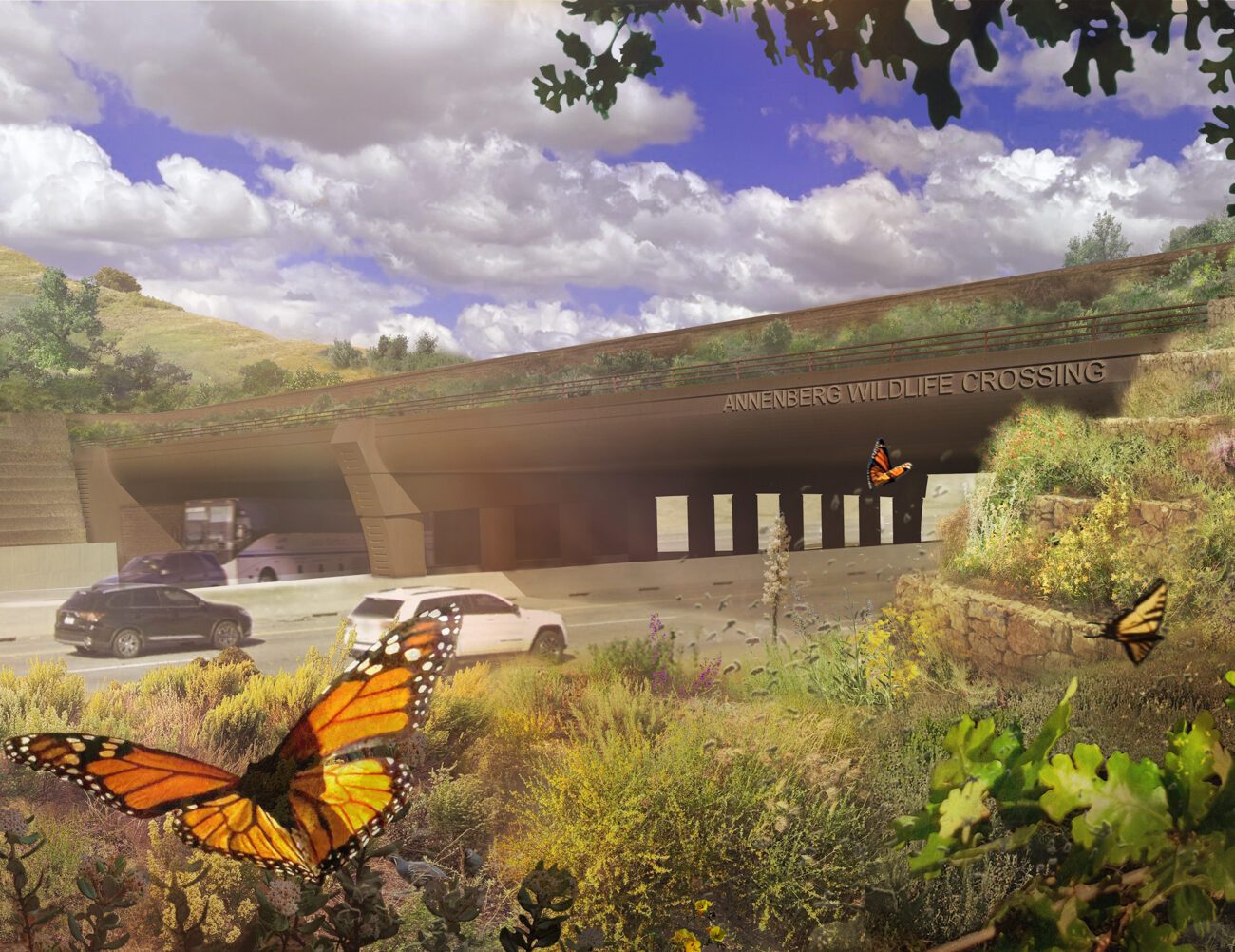
The Wallis Annenberg Wildlife Crossing represents what becomes possible when science, design, engineering, advocacy, and public support move toward a shared goal. It restores a vital connection across one of Southern California’s most significant barriers while creating a model for how infrastructure can respond more thoughtfully to the natural systems around it.

For Rock Design Associates, the project reflects a long-term commitment to collaboration, ecological understanding, and design that serves both people and place. More than a passage over a freeway, the crossing is a lasting investment in the resilience of the Santa Monica Mountains and the wildlife communities that depend on them.

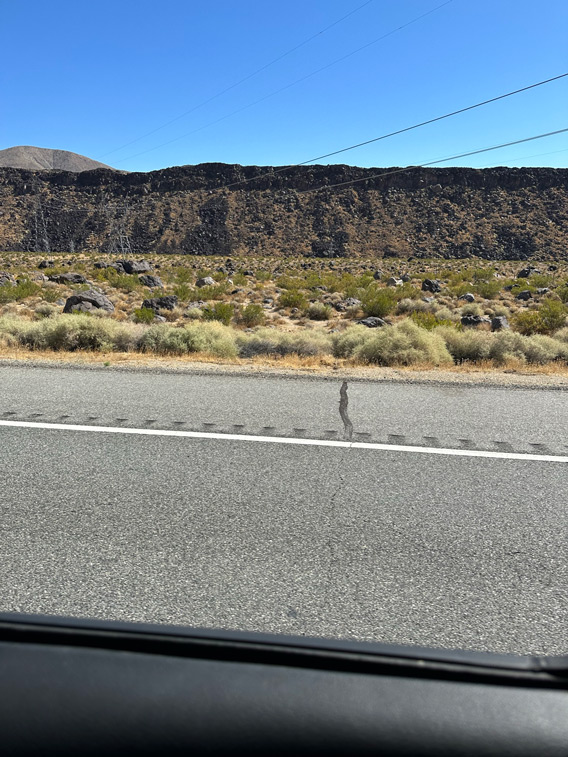
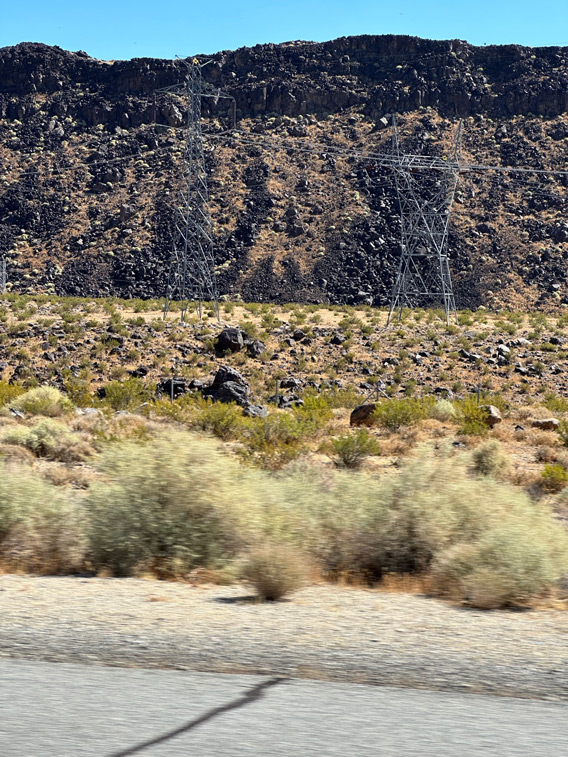
Across the Eastern Sierra

A closer look at the landscapes, crossing locations, and habitat systems shaping the US 395 wildlife connectivity effort. From Morrison Hill to Convict Creek, each site reveals a different part of the broader strategy to improve movement and safety across the Eastern Sierra.

Our work spans landscapes of every scale.

From regional ecological infrastructure to parks, campuses, and public spaces, every project begins with the same commitment to understanding place and designing for lasting impact.

Stay connected.

Have a project in mind or a place that deserves thoughtful attention? We’d welcome the opportunity to learn more and explore what’s possible.

Have a project in mind?

Do not hesitate to say