
Park City

Improving wildlife movement along one of Utah’s most heavily traveled mountain corridors

Park City, Utah

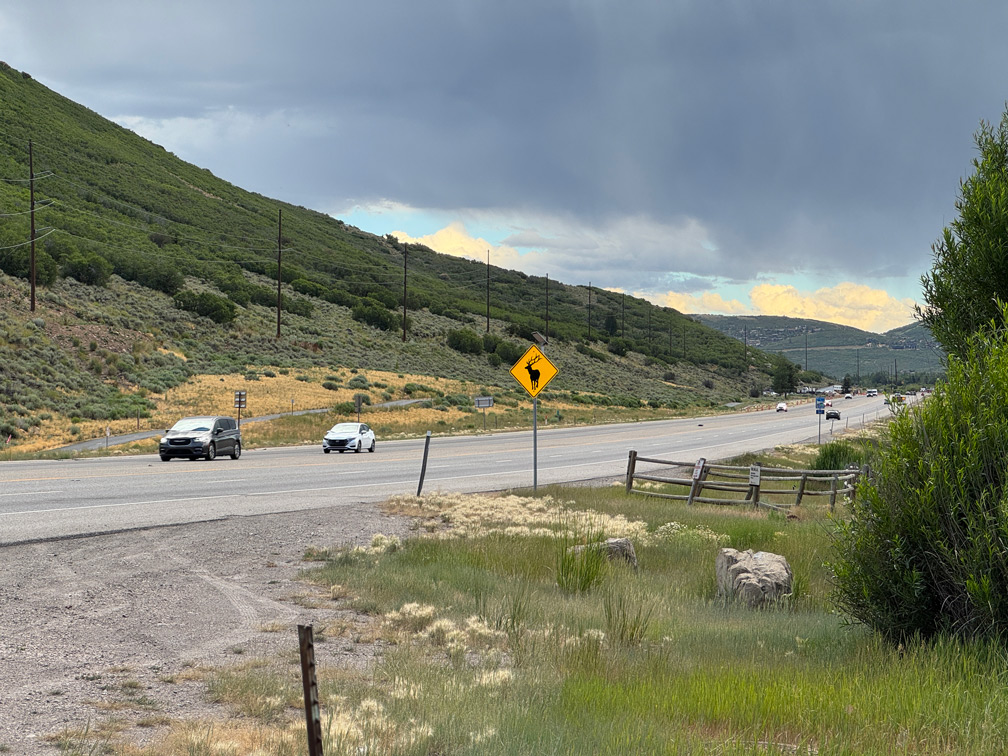
The Snyderville Basin supports seasonal wildlife movements that have shaped the landscape for generations.

Today, SR-224 serves as both the primary gateway to Park City and one of Utah’s most hazardous roadways for wildlife, with frequent collisions involving deer, elk, moose, and other species moving through the region.

SR-224

As development and traffic increase, maintaining safe and functional wildlife movement across the corridor has become increasingly important.

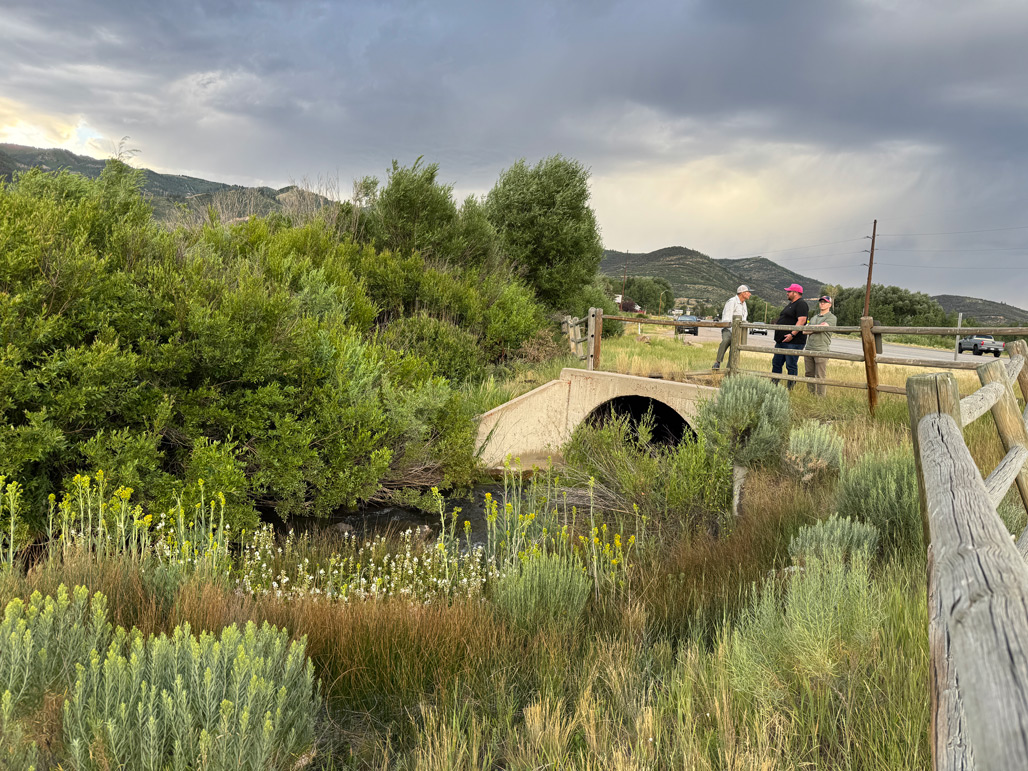
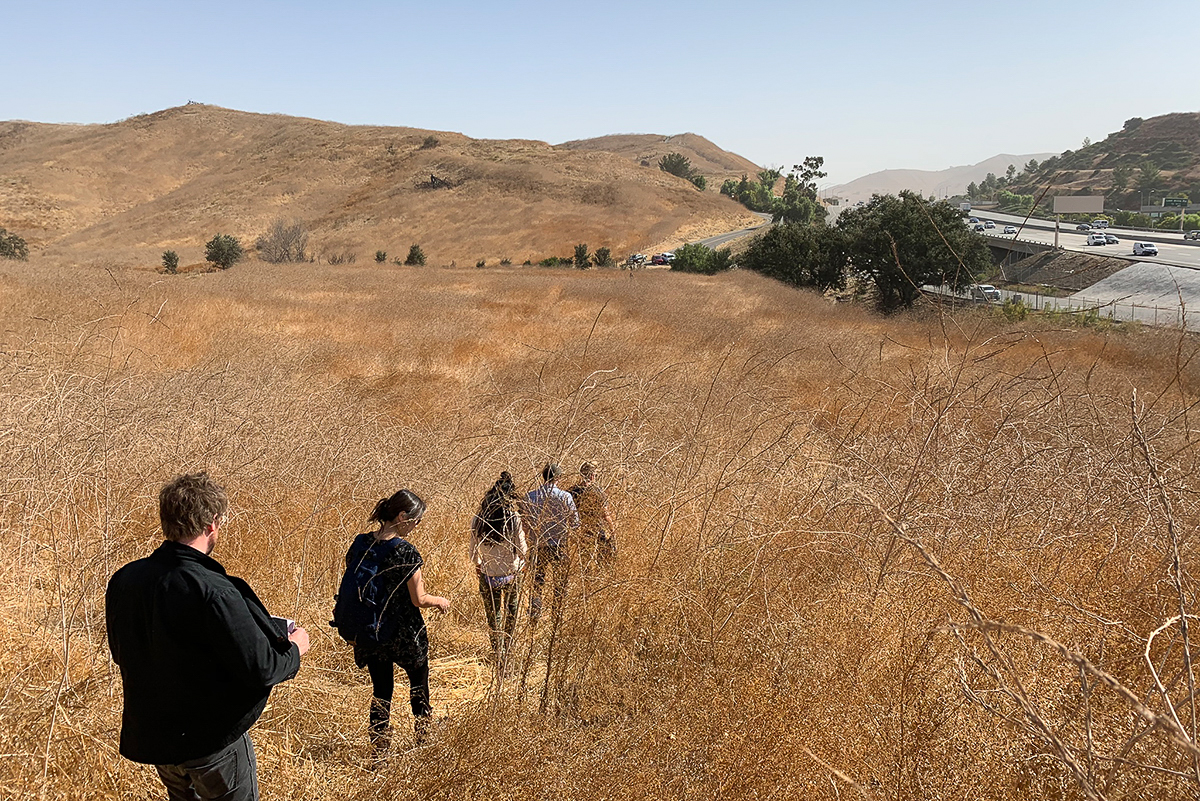
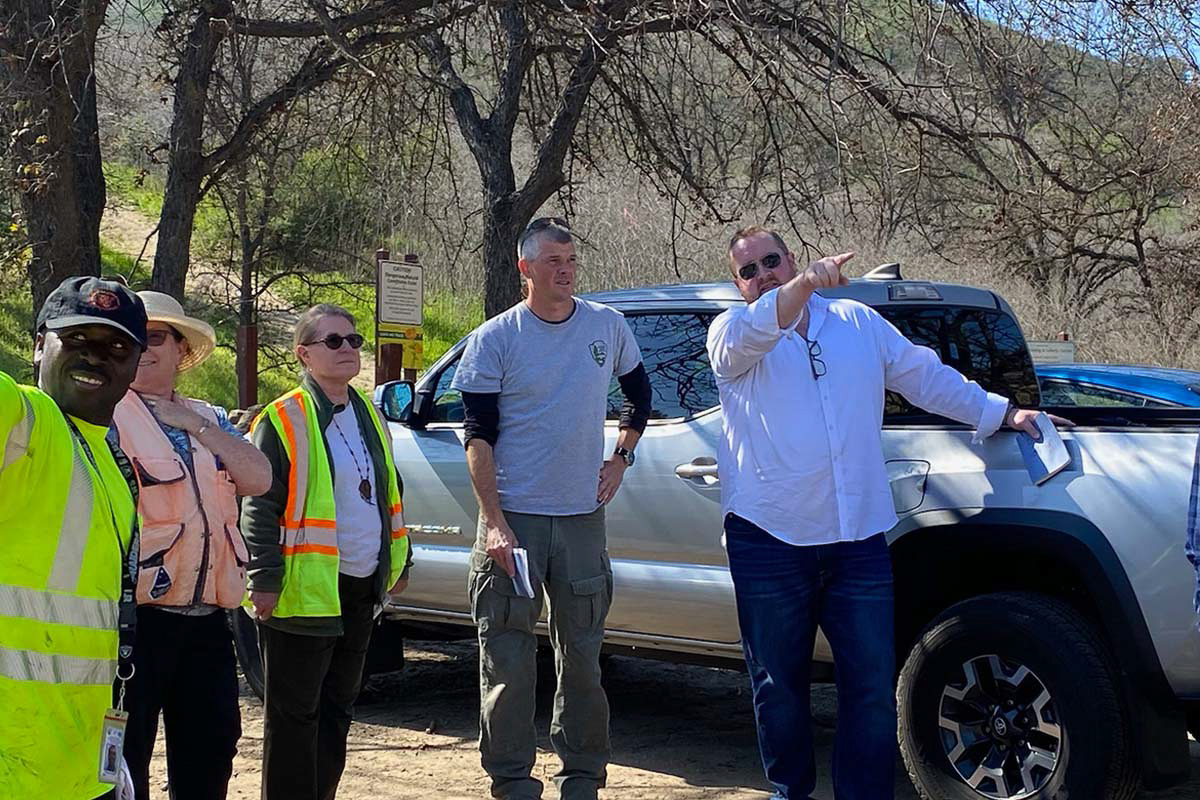
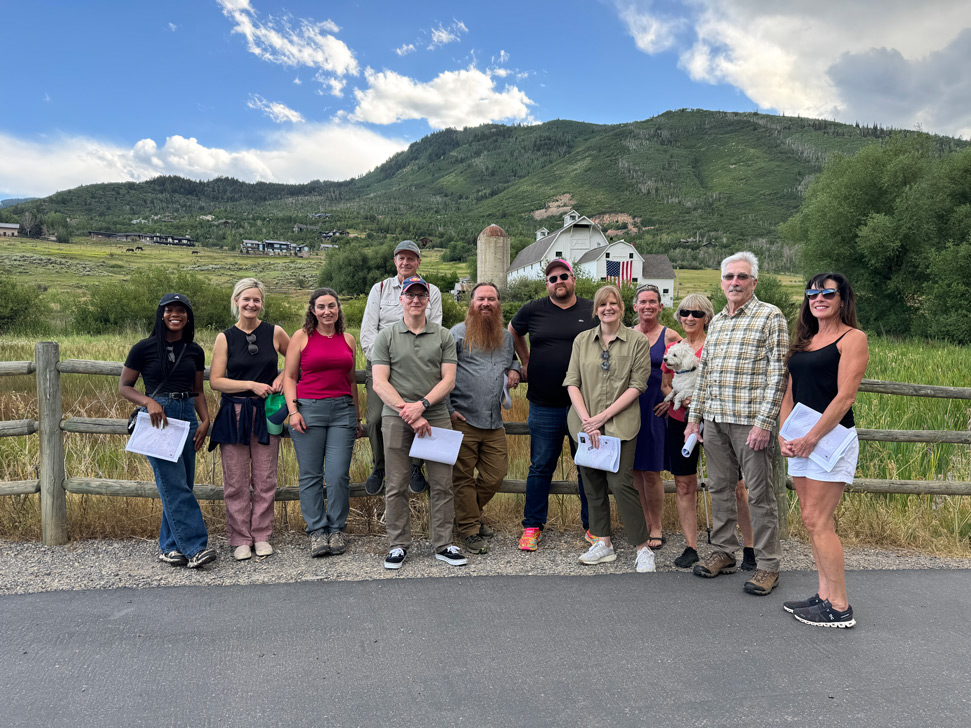
Building on a completed Phase 1 Assessment, Rock Design Associates is working with Save People Save Wildlife to evaluate existing conditions, analyze wildlife movement patterns, and identify feasible crossing locations between Mile Markers 7 and 9.

RDA with Save People Save Wildlife

With Park City preparing to host the 2034 Winter Olympics, future transportation improvements create an opportunity to address public safety, accessibility, and ecological connectivity together.

By integrating wildlife considerations into broader transportation planning, the project can help reduce conflict along the roadway while protecting the movement patterns that remain essential to the surrounding landscape.

Park City

Planning for a changing corridor

SR-224 serves many purposes at once. It connects communities, supports tourism, carries increasing traffic, and crosses a landscape that remains important to wildlife.

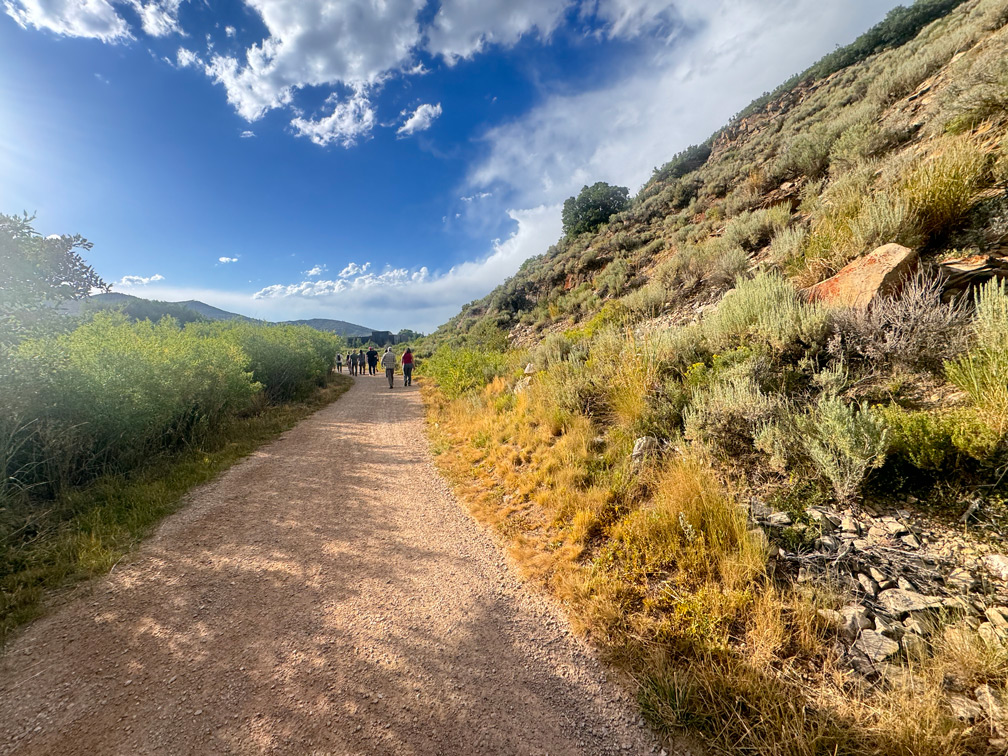
Effective planning requires understanding how those needs overlap. RDA’s work combines wildlife movement data, existing roadway conditions, and site feasibility to identify locations where targeted improvements could provide the greatest benefit.

This approach helps move the conversation from a broad connectivity challenge toward practical strategies that can inform future transportation investments.
Growth and ecology in balance

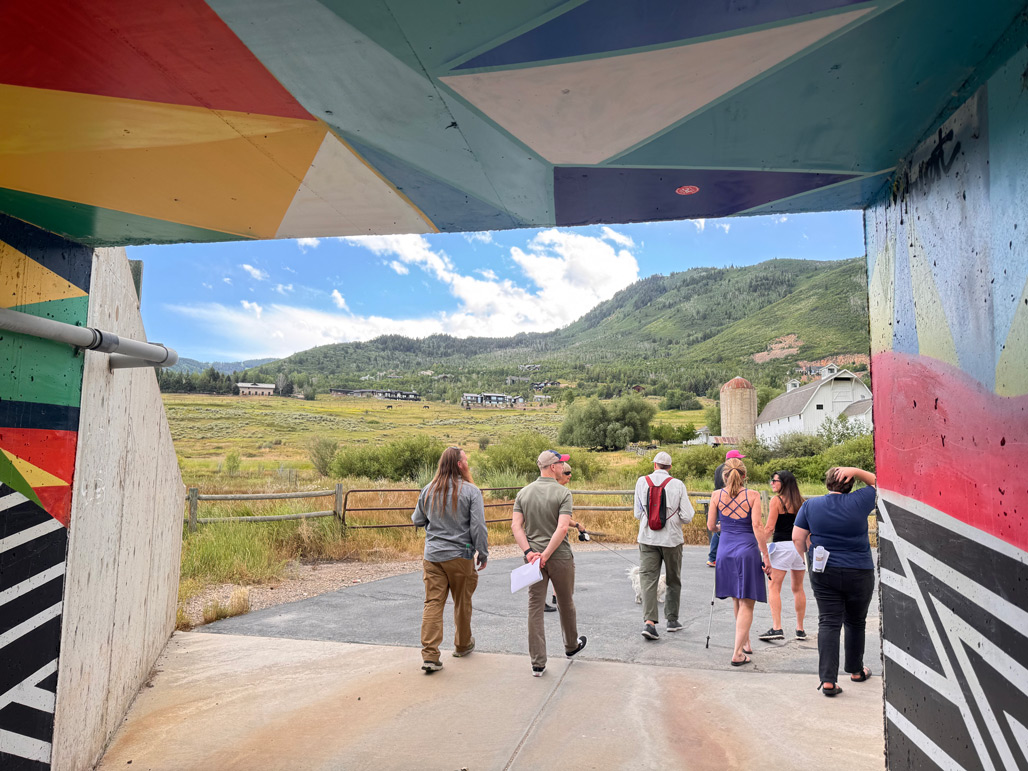
Park City and the Snyderville Basin continue to grow, bringing new demands on transportation infrastructure and the surrounding landscape.

At the same time, maintaining wildlife movement is essential to the ecological character of the region.

The project demonstrates how thoughtful planning can support safer roads and growing communities while preserving the natural systems that make the area distinctive.

A closer look

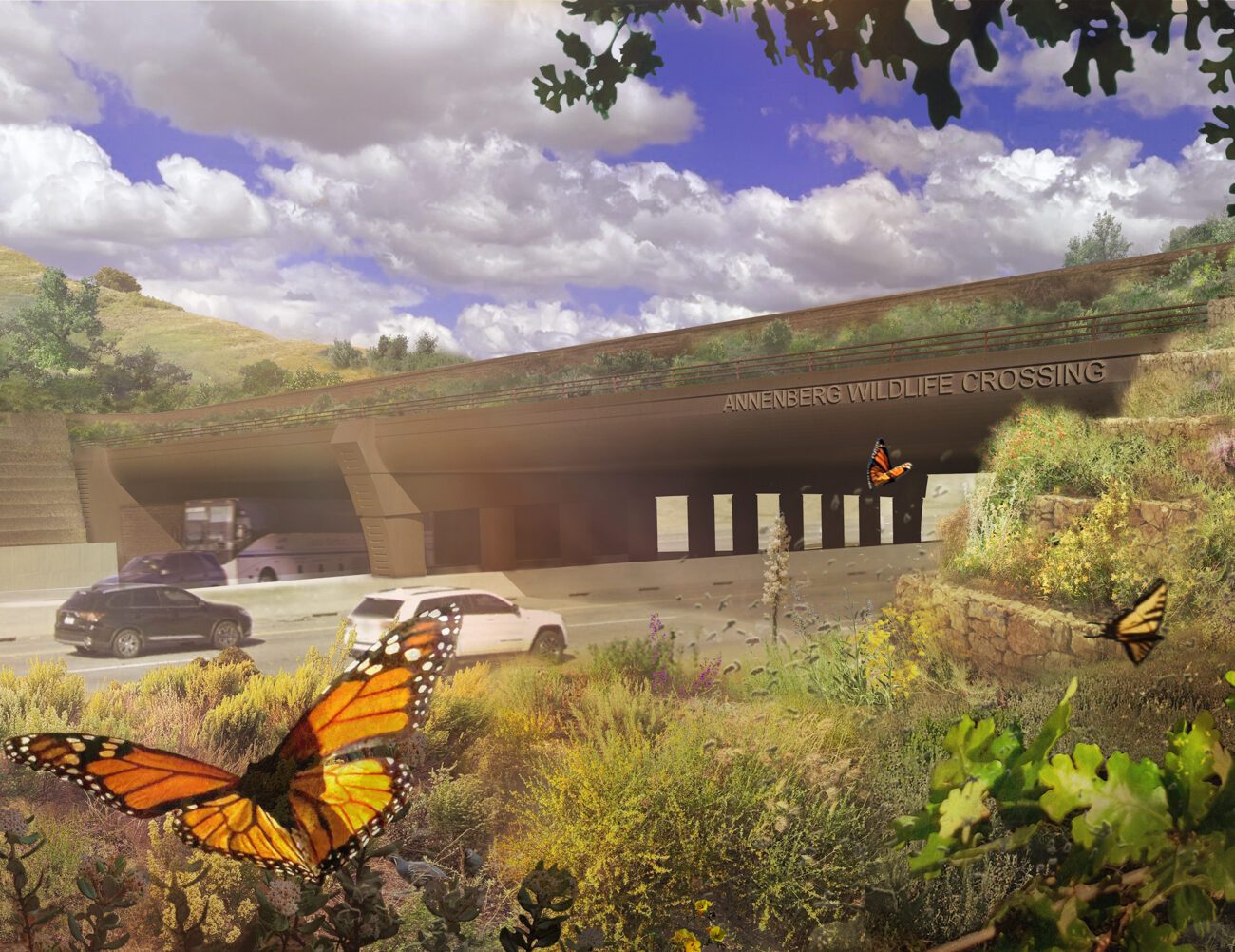
Want an even more in depth look at our approach to this project and its various stages of development? Our full design story behind the Wallis Annenberg Wildlife Crossing project is coming soon.

Our work spans landscapes of every scale.

From regional ecological infrastructure to parks, campuses, and public spaces, every project begins with the same commitment to understanding place and designing for lasting impact.

Stay connected.

Have a project in mind or a place that deserves thoughtful attention? We’d welcome the opportunity to learn more and explore what’s possible.

Have a project in mind?

Do not hesitate to say