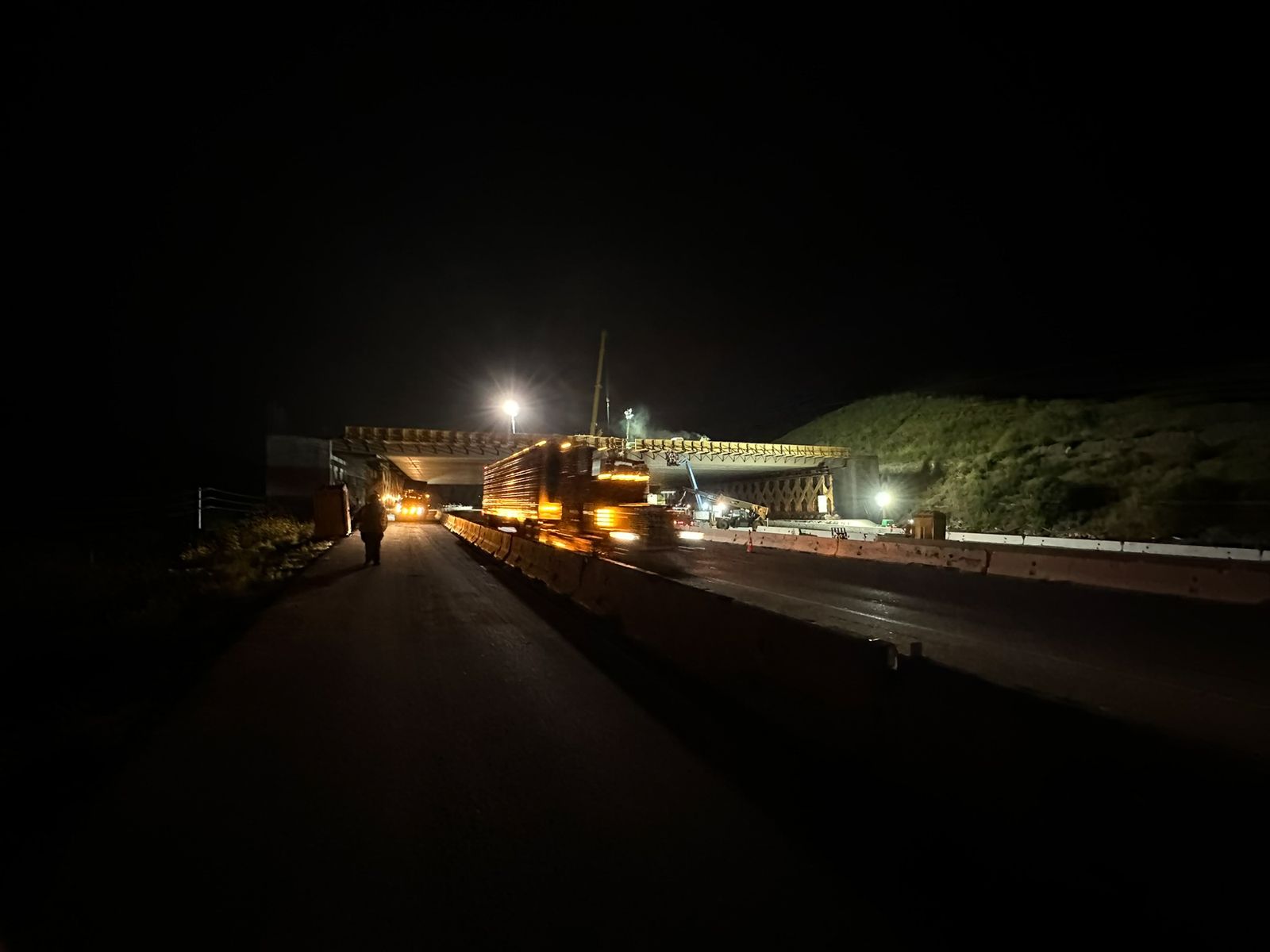

Irvine-Laguna Wildlife Corridor

Reconnecting protected landscapes across the urban fabric of Orange County

Orange County, California

The Irvine-Laguna Wildlife Corridor represents one of Southern California’s most important opportunities to reconnect fragmented habitat.

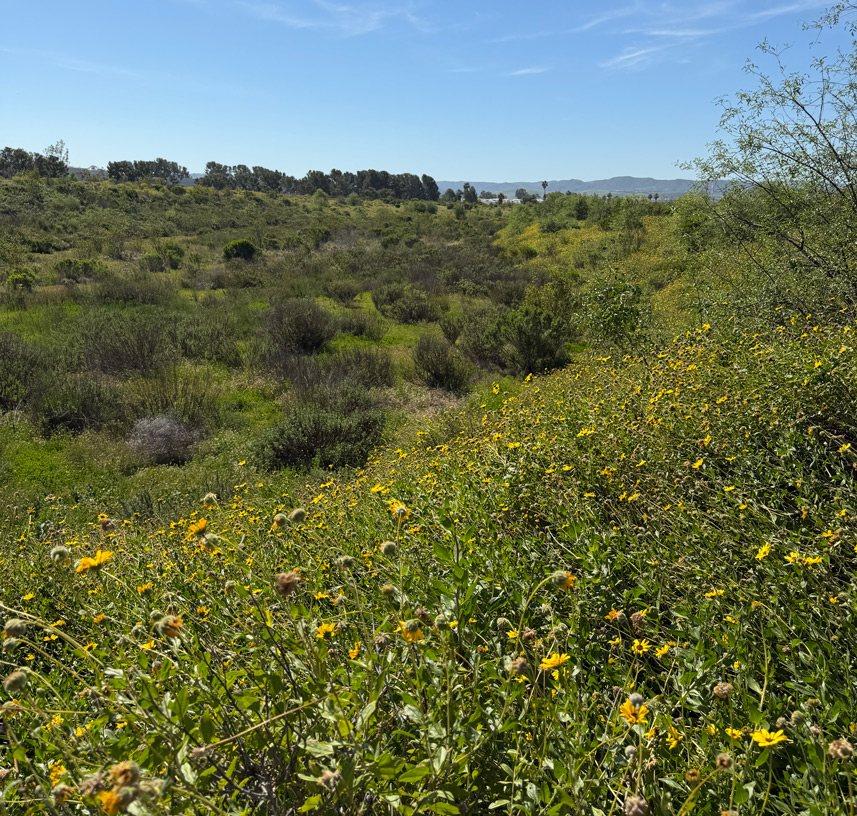
Stretching from the Laguna Coast to Cleveland National Forest through the urban fabric of Orange County, the corridor links more than 170,000 acres of protected land. These landscapes support a diverse range of wildlife, from coastal bobcats to cactus wrens, while providing an essential connection between major habitat areas.

Irving-Laguna Wildlife Corridor

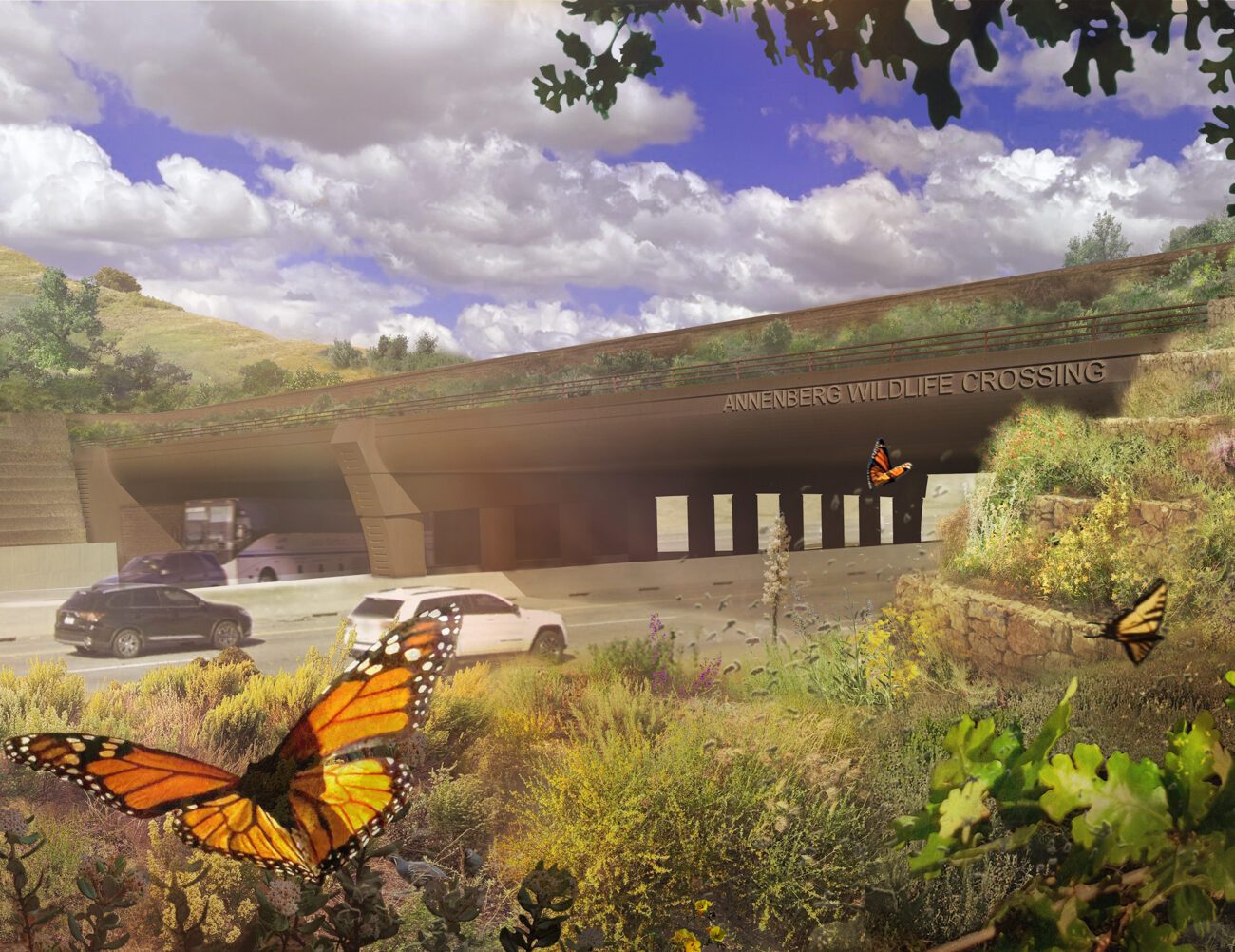
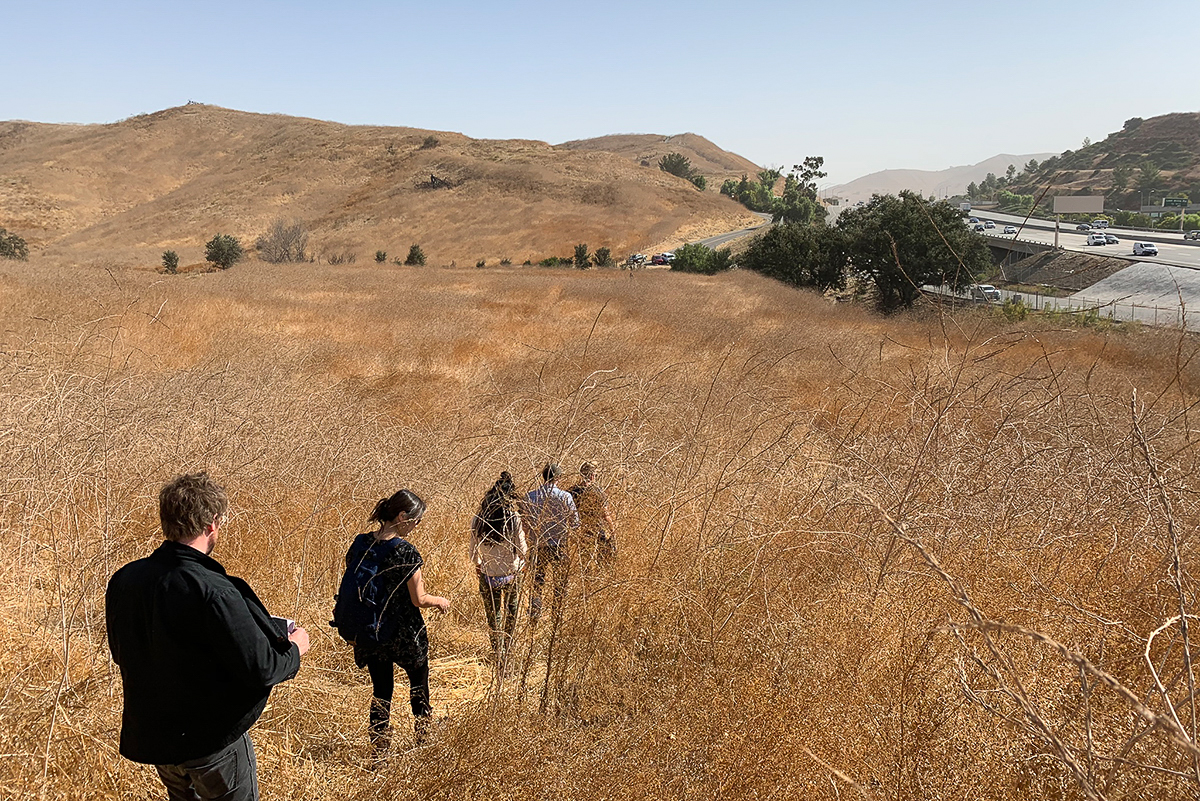
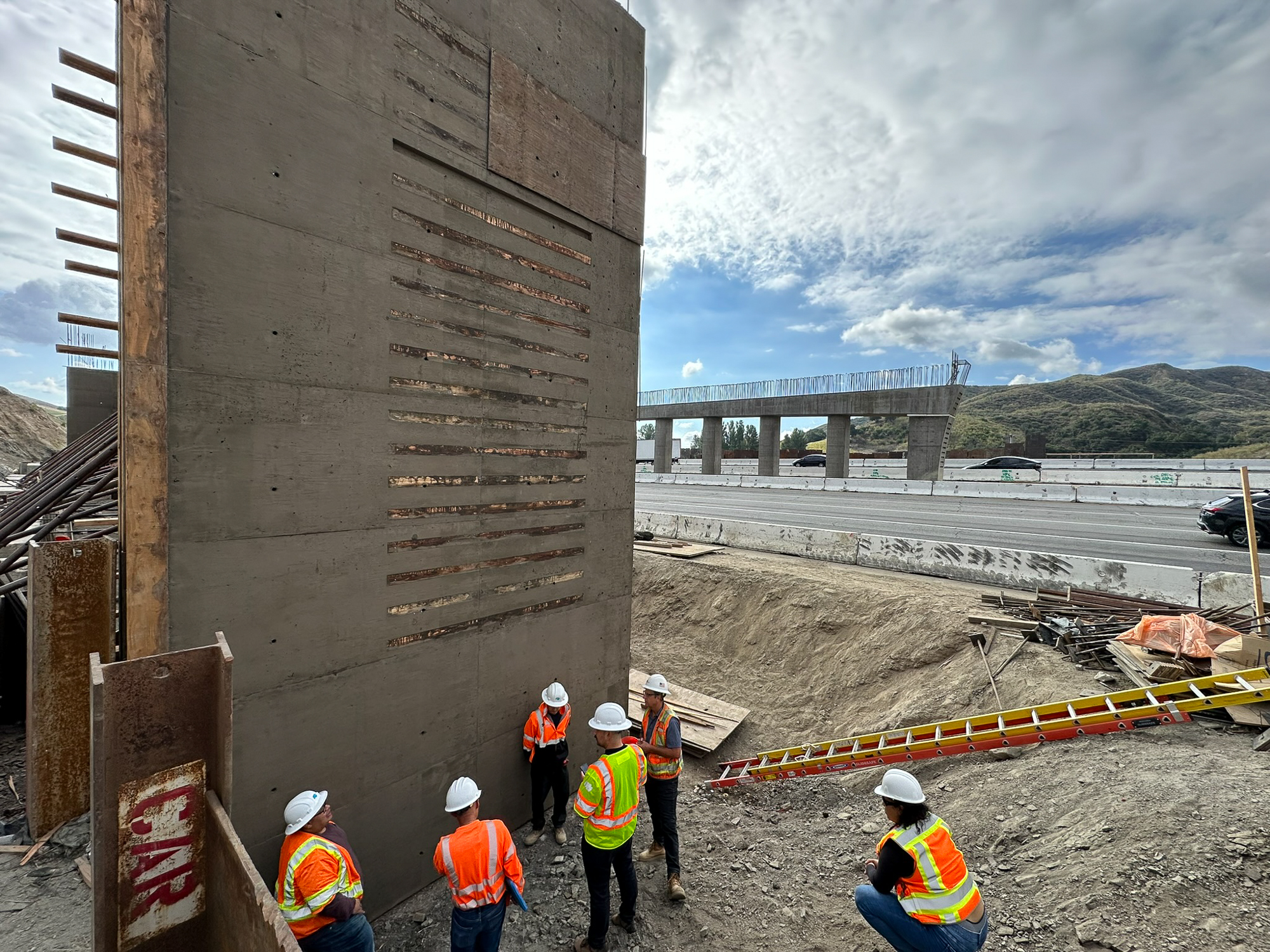
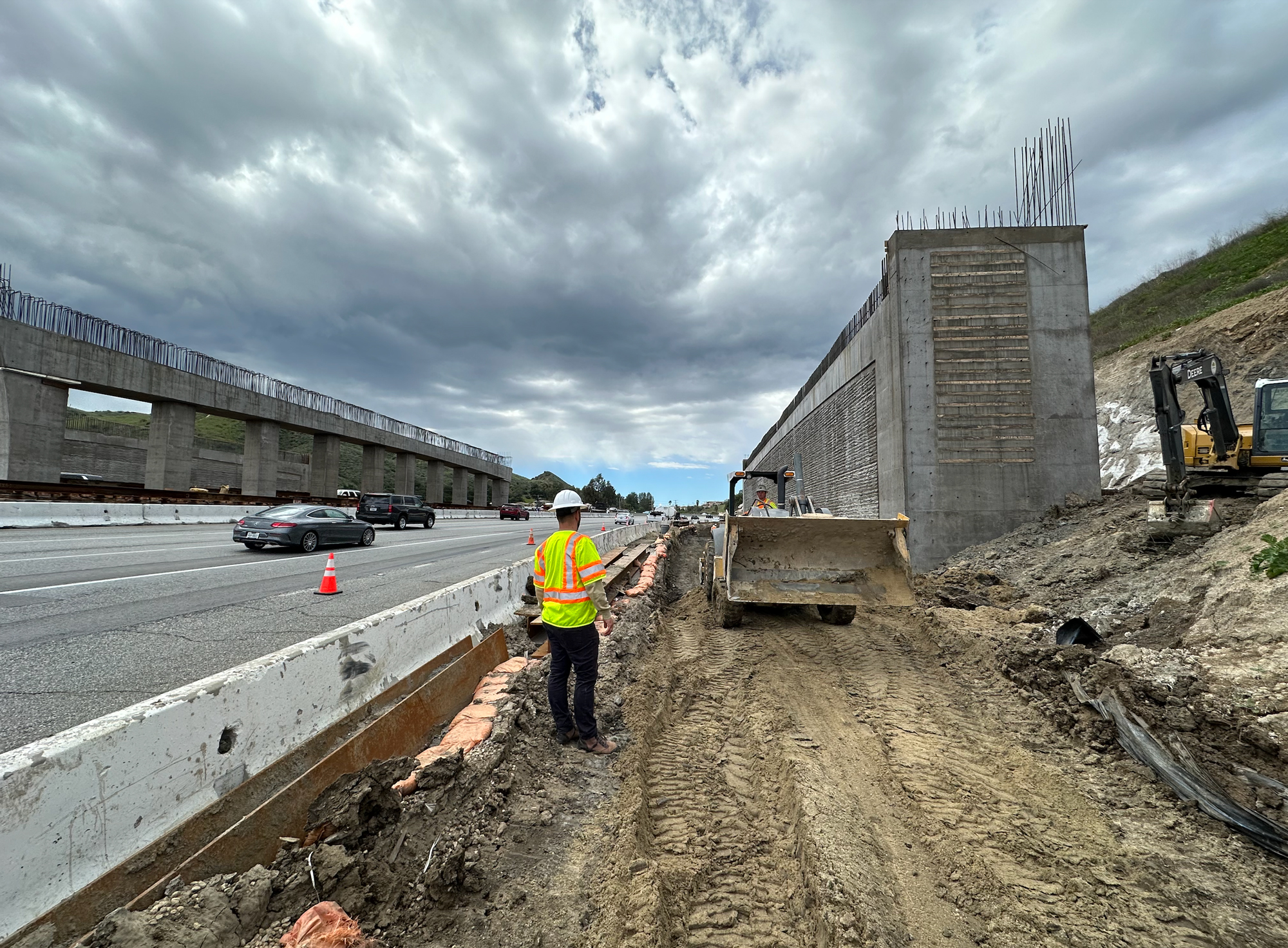
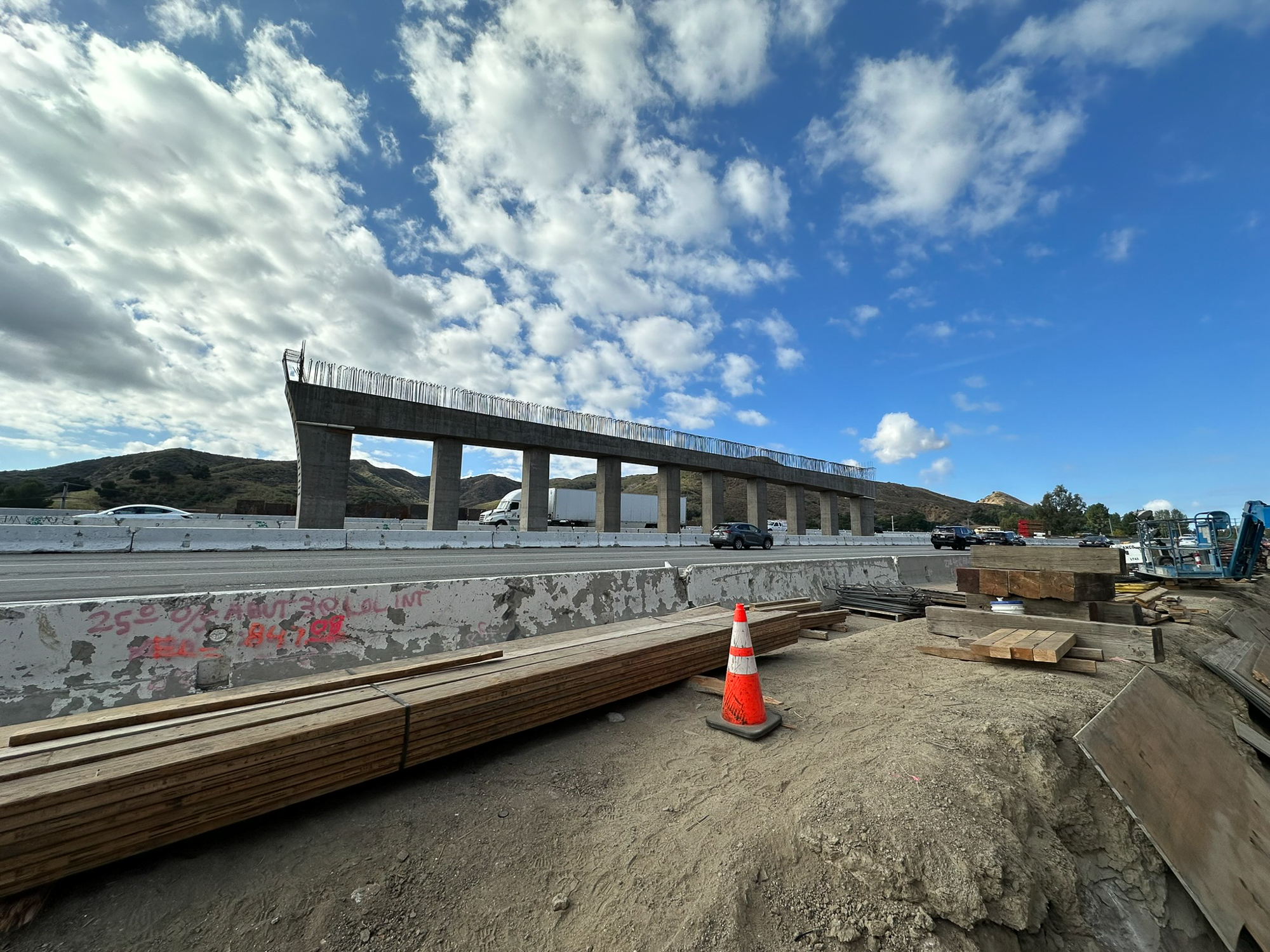
Interstate 5 near its intersection with the 405 Freeway represents the corridor’s greatest connectivity challenge.

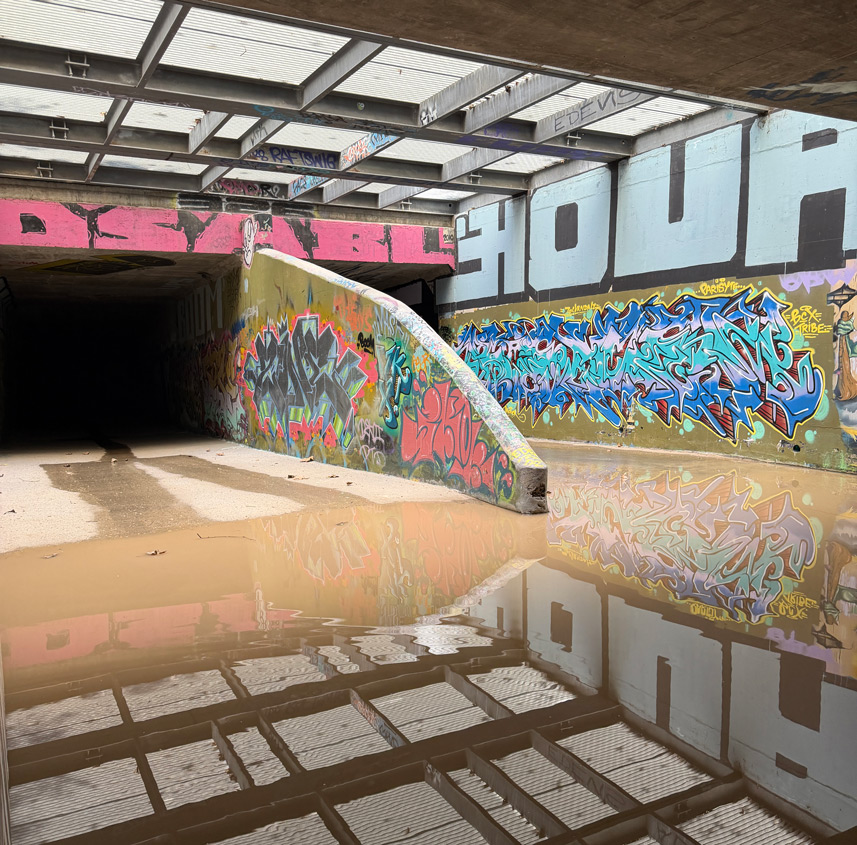
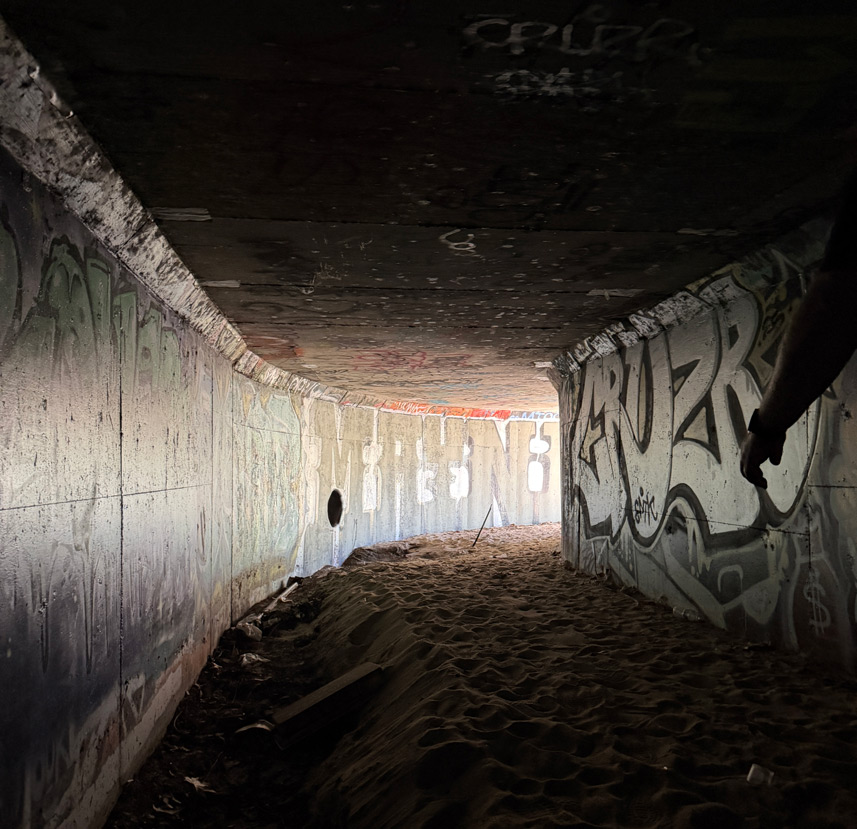
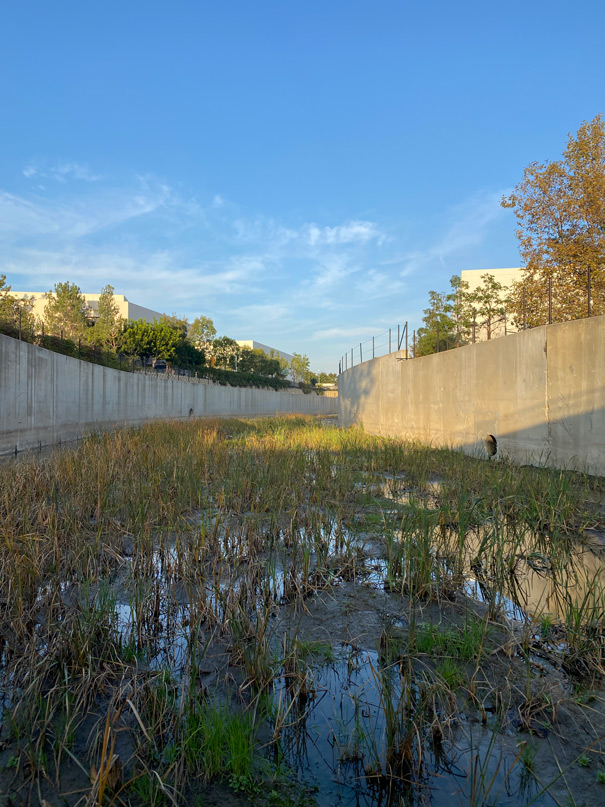
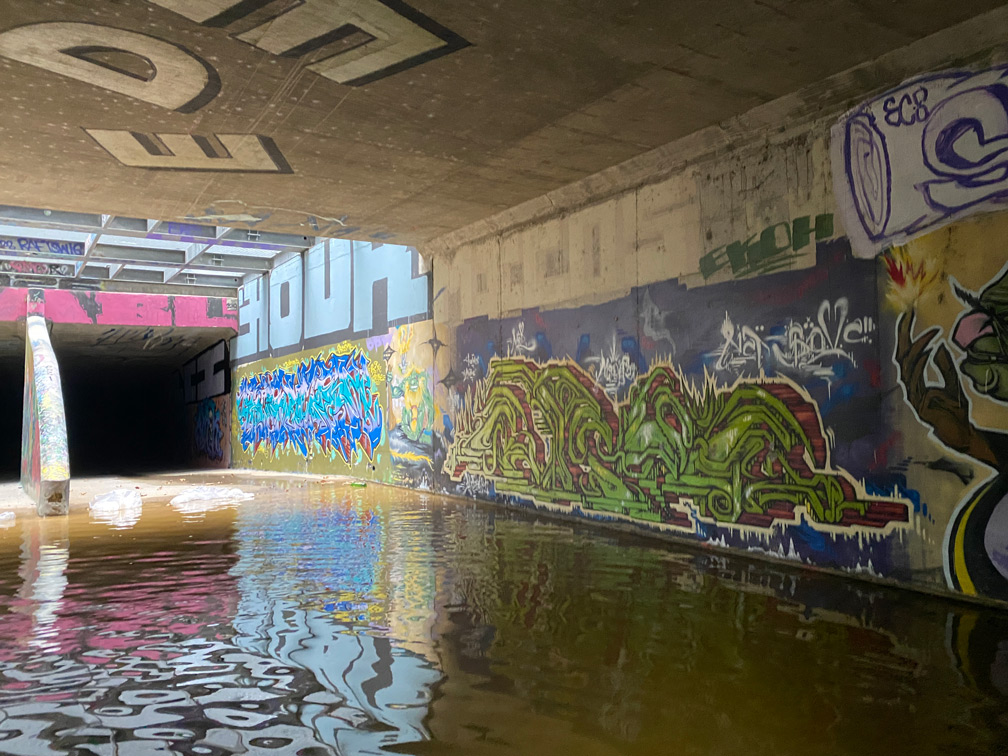
Existing bridges, culverts, and tunnels were designed primarily for transportation and drainage rather than wildlife movement. As a result, one of Southern California’s busiest transportation corridors creates a significant barrier between otherwise connected natural landscapes.

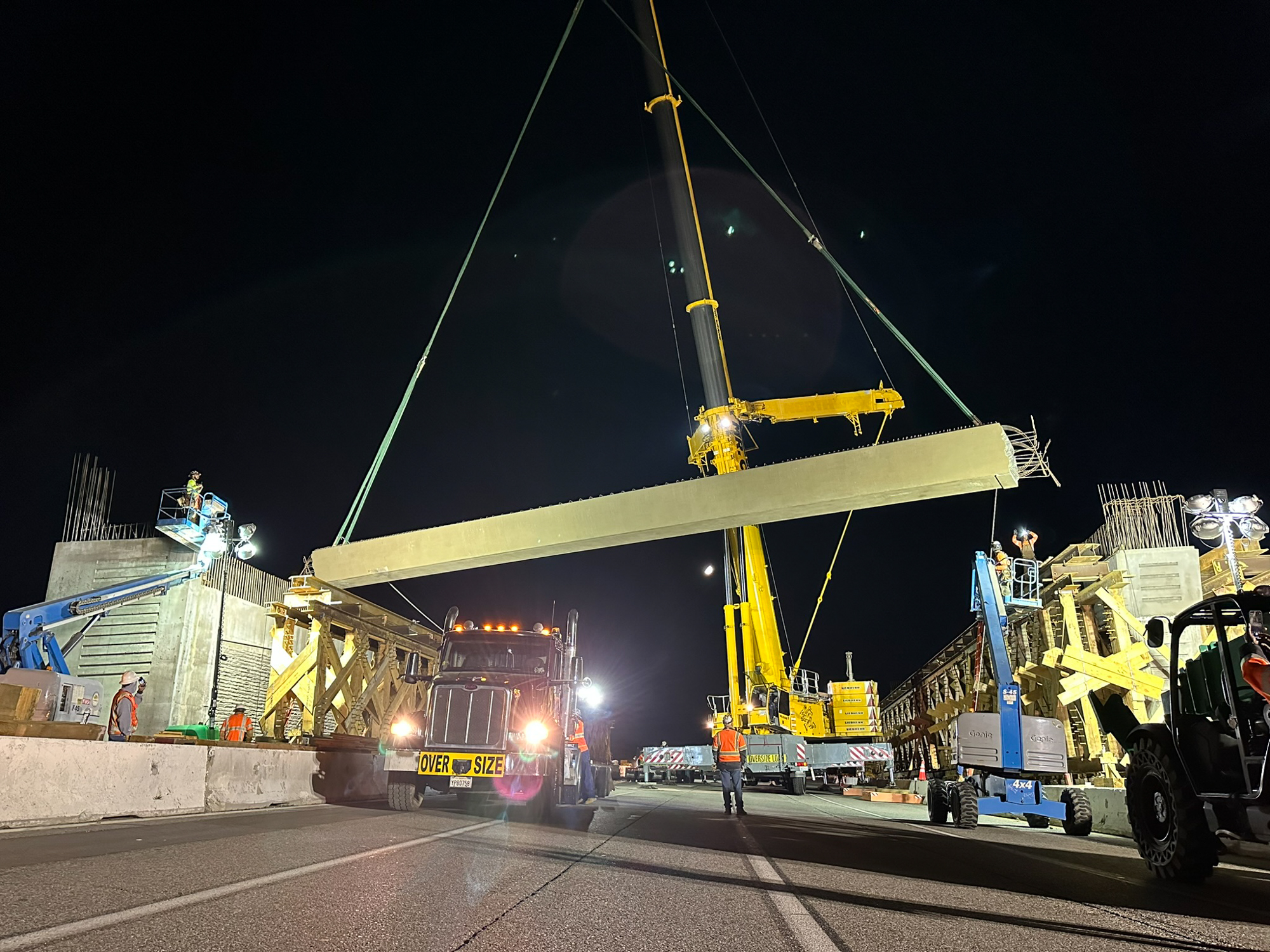
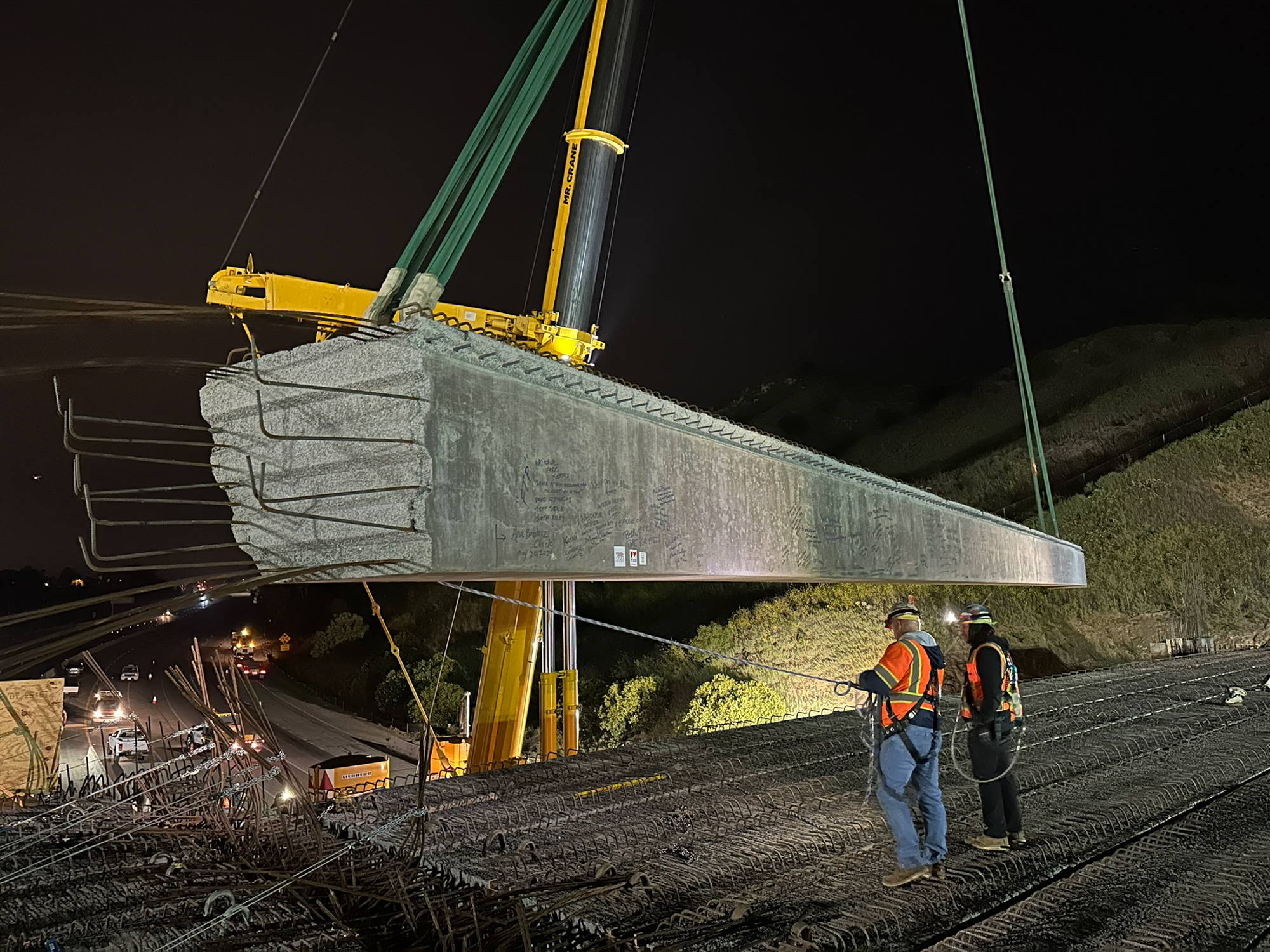
Irving-Laguna Wildlife Corridor tunnel

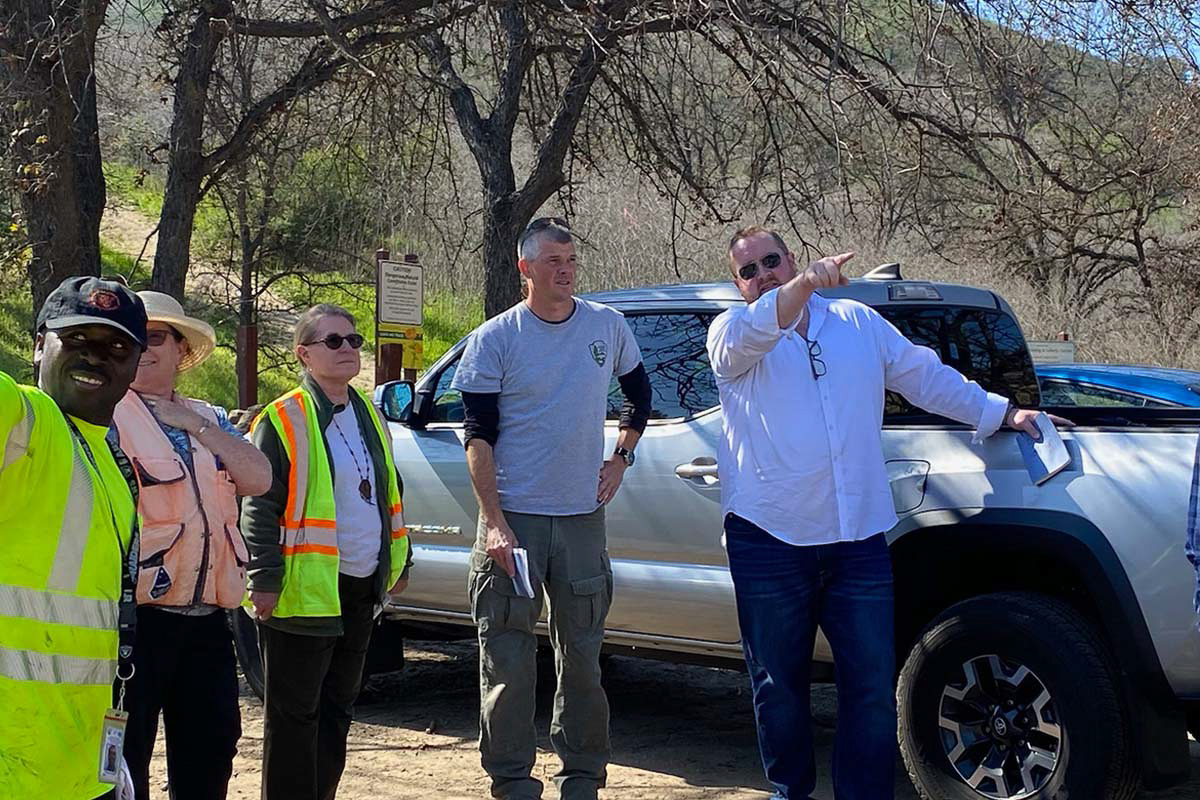
Rock Design Associates is evaluating existing infrastructure, analyzing wildlife movement and collision data, and identifying opportunities to improve connectivity where it is needed most.

Working alongside Laguna Greenbelt, stakeholders, and project partners, RDA is developing targeted recommendations that explore how existing infrastructure can be adapted or enhanced to function more effectively for wildlife.

Irving-Laguna Wildlife Corridor tunnel

Opportunities within existing infrastructure

Restoring connectivity in a highly developed landscape does not always mean starting from scratch.

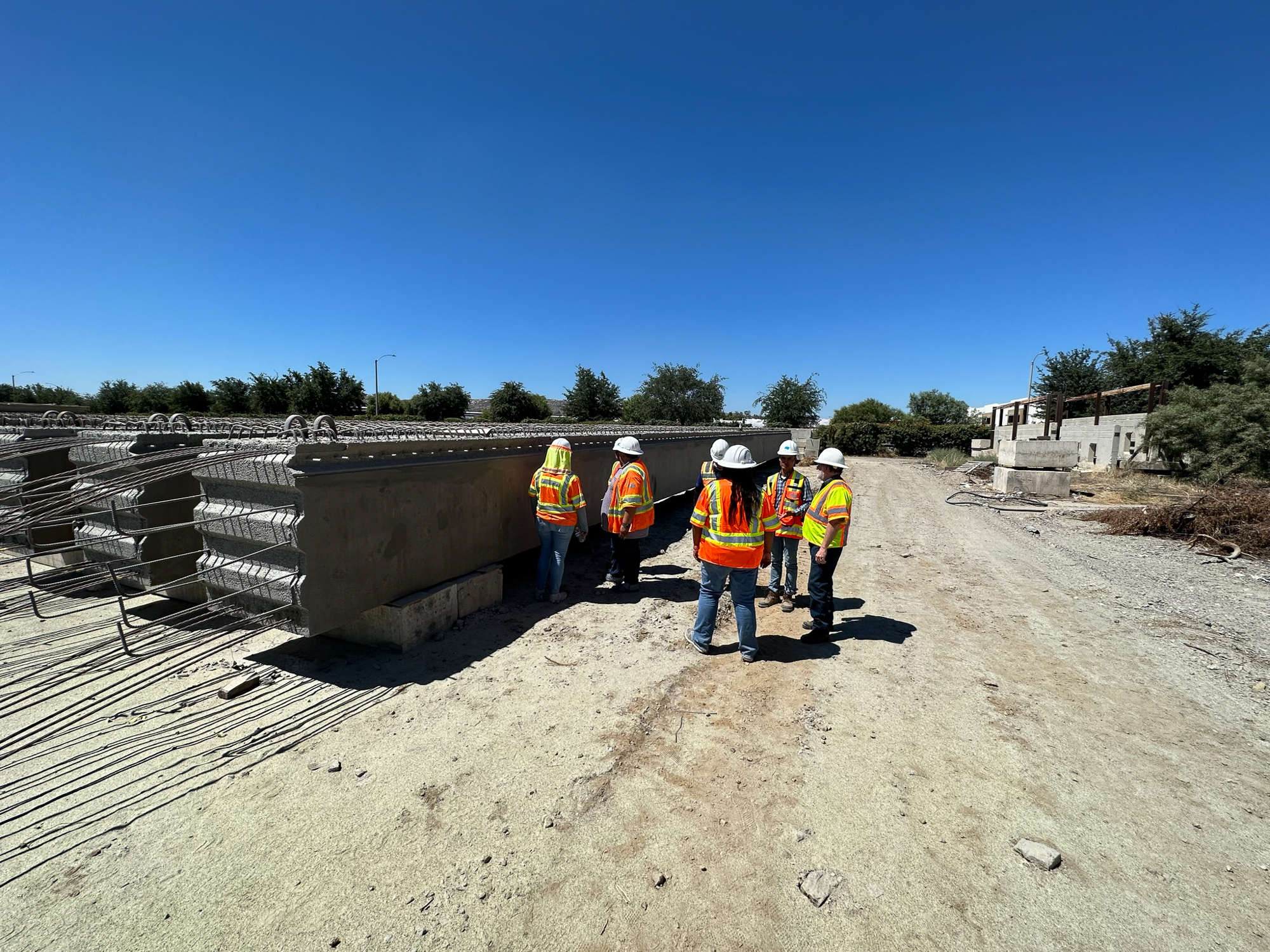
Existing bridges, culverts, tunnels, and other transportation infrastructure can sometimes provide the foundation for meaningful improvements when paired with a clear understanding of wildlife behavior, movement patterns, and site conditions.

By combining field information, movement and collision data, and infrastructure analysis, RDA is helping identify practical interventions that can improve passage while responding to the complex constraints of the surrounding urban environment.
Reconnecting a fragmented landscape

The Irvine-Laguna Wildlife Corridor is especially important because it connects large areas of protected habitat that have become increasingly separated by roads and development.

As continued urban growth and climate change place additional pressure on Southern California’s natural systems, maintaining pathways between these landscapes will become even more critical.

Strengthening this linkage can help sustain biodiversity, support wildlife movement and adaptation, and improve the long-term resilience of ecosystems that have been divided for generations.

A closer look

Want an even more in depth look at our approach to this project and its various stages of development? Our full design story behind the Wallis Annenberg Wildlife Crossing project is coming soon.

Our work spans landscapes of every scale.

From regional ecological infrastructure to parks, campuses, and public spaces, every project begins with the same commitment to understanding place and designing for lasting impact.

Stay connected.

Have a project in mind or a place that deserves thoughtful attention? We’d welcome the opportunity to learn more and explore what’s possible.

Have a project in mind?

Do not hesitate to say