
MHA Nation Parks & Reserve Planning Support

Planning for cultural restoration, ecological resilience, and connection to place

Fort Berthold Indian Reservation, North Dakota

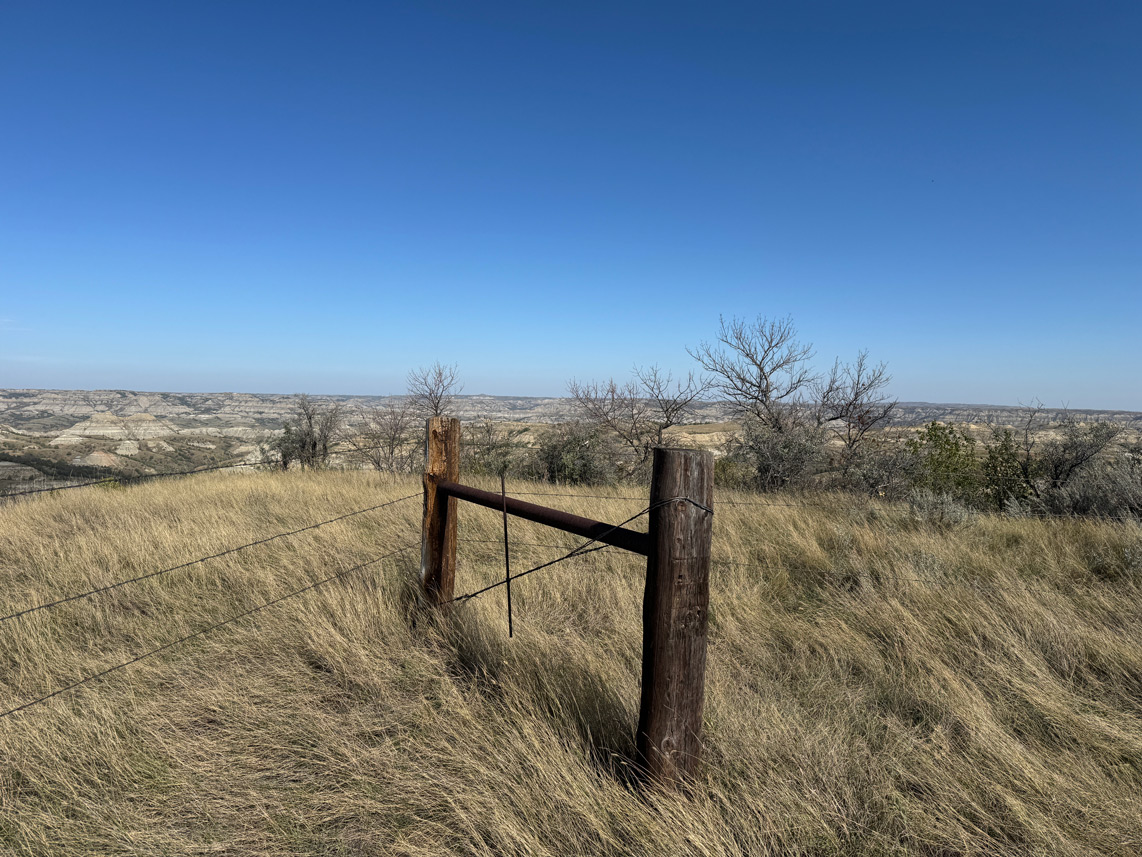
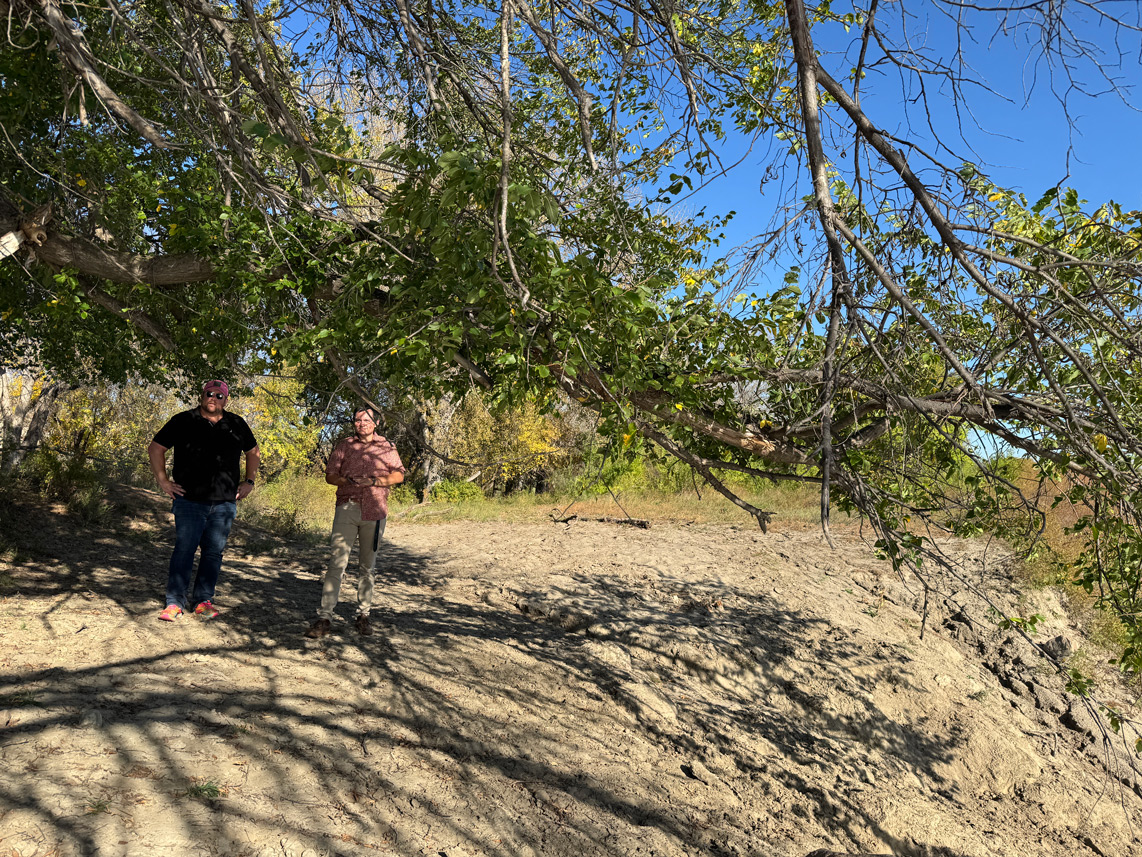
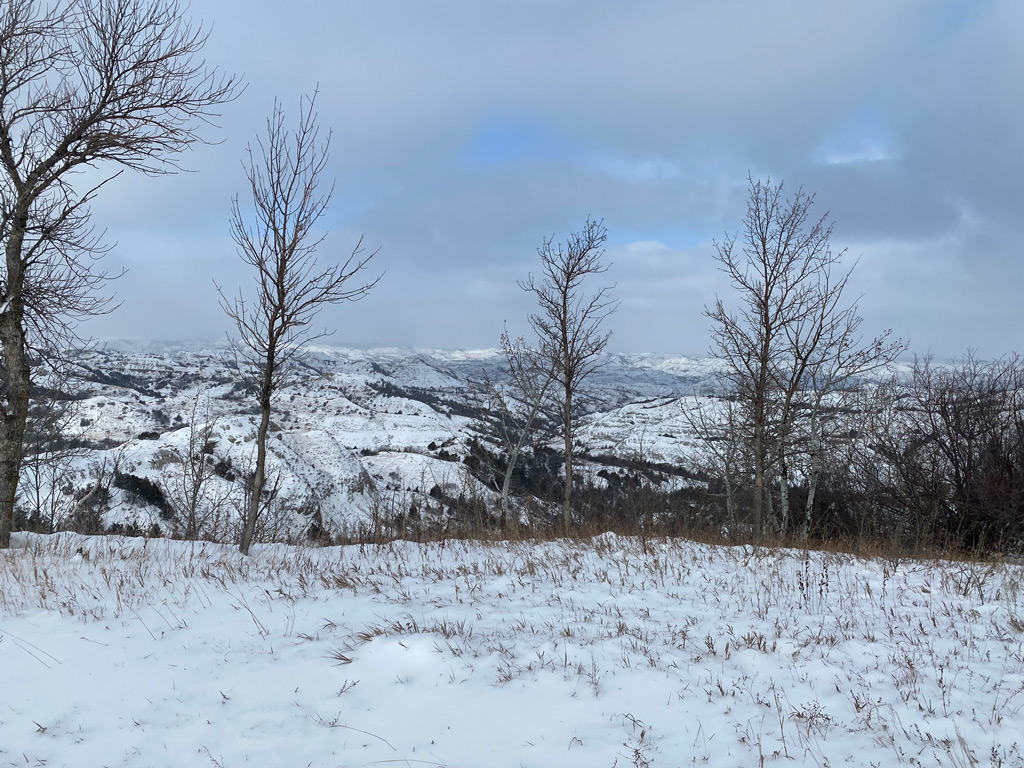
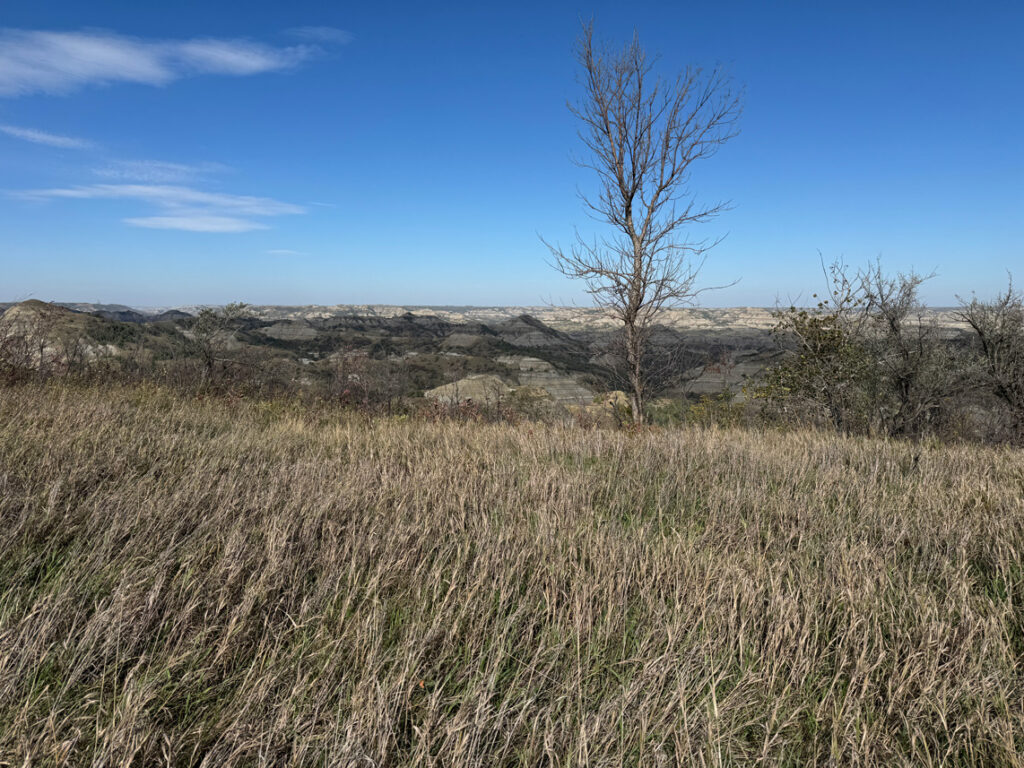
For the Three Affiliated Tribes, also known as MHA Nation—the Mandan, Hidatsa, and Arikara Nation—the Missouri River system is more than a defining landscape. Its winding river, rugged Badlands, and crested clay buttes are inseparable from the Nation’s history, culture, and identity.

The acquisition of more than 2,000 acres of original treaty land marks a significant step toward establishing the Three Affiliated Tribes National Park and creates an opportunity to reconnect people with a landscape that has sustained the Nation since time immemorial.

Missouri River System

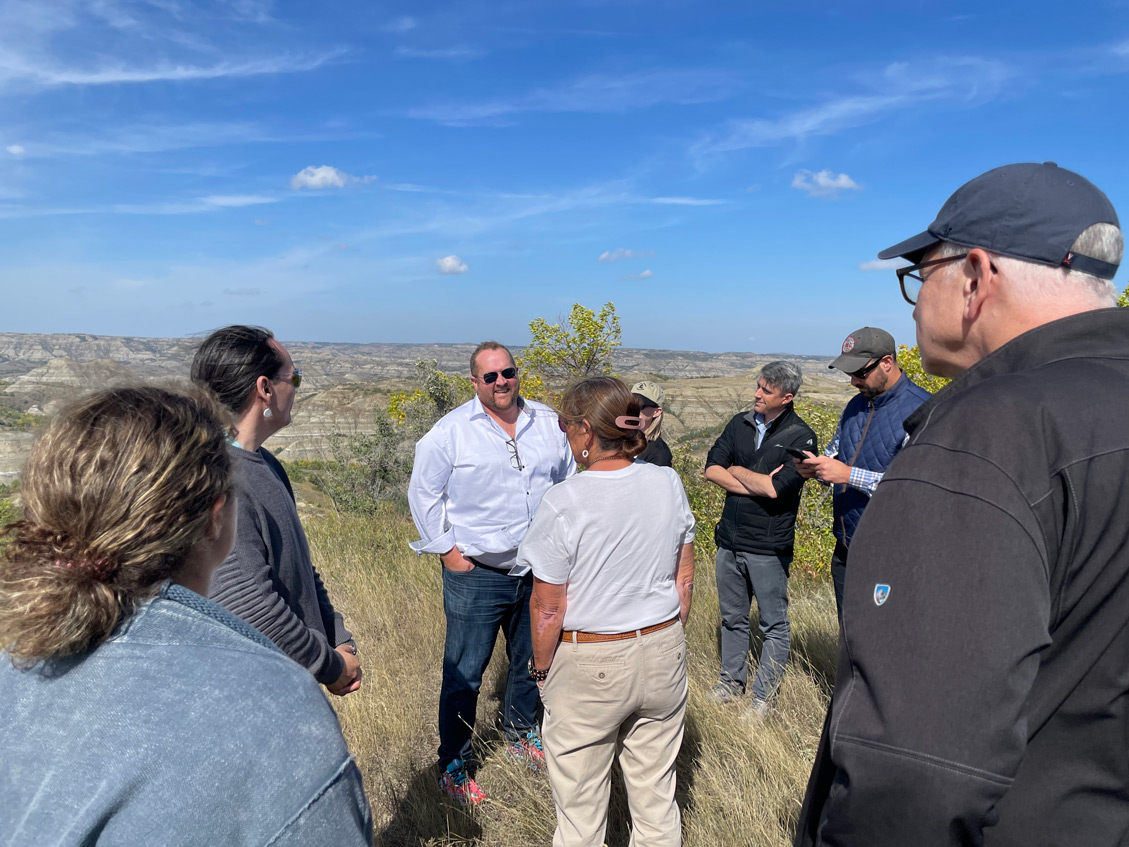
Rock Design Associates is honored to support the MHA Nation Parks & Reserve Team in developing the master plan for the TAT National Park.

Through a collaborative planning process, the project brings together tourism, conservation, culture, heritage, ecological stewardship, and public experience. The goal is not simply to plan a new park, but to create a framework that reflects the significance of the land while honoring the stories, traditions, and relationships that continue to shape it.

Restoring the land

The work extends beyond the boundaries of the park itself.

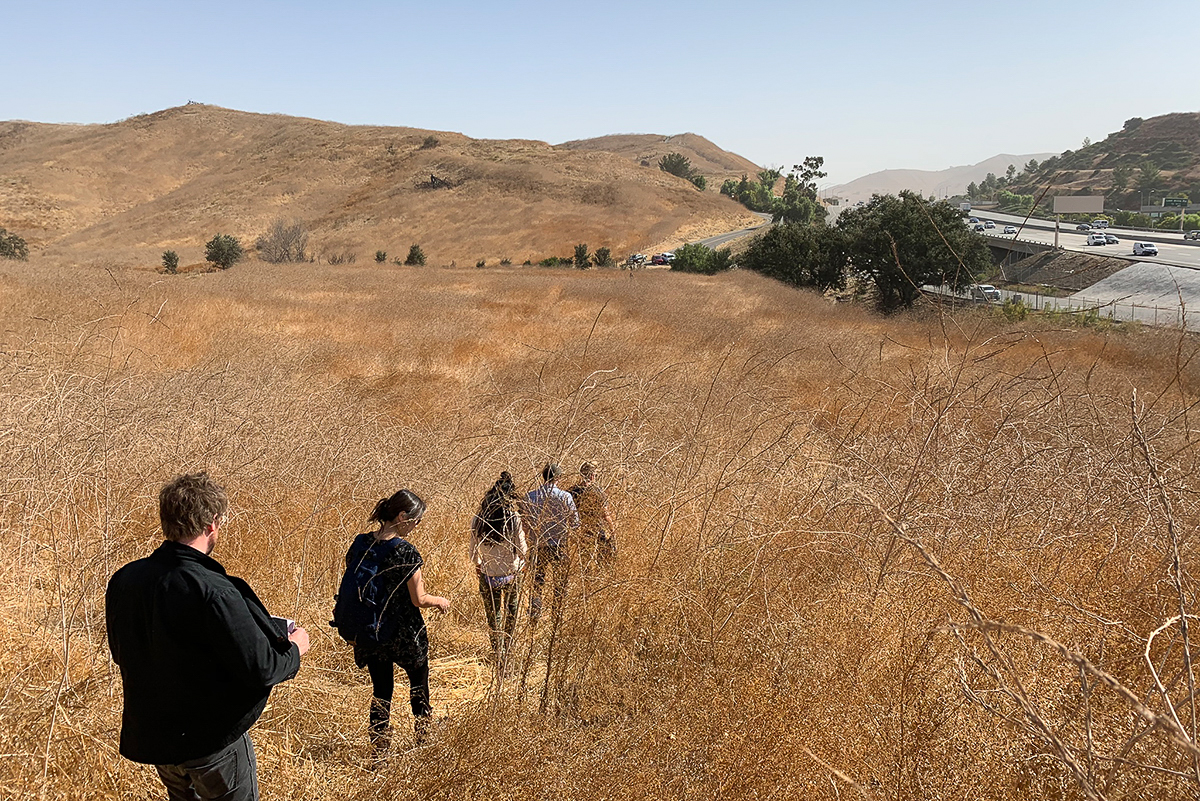
Supported by a USDOT BUILD grant, formerly known as RAISE, RDA is leading a multidisciplinary team to identify and prioritize transportation improvements along a five-mile segment of Highway 22. The effort considers how roadway improvements can enhance public safety while maintaining and strengthening wildlife movement across the surrounding landscape.

Missouri River System

Planning across a living landscape

The park and Highway 22 initiatives are distinct efforts, but they share a broader understanding of the landscape as an interconnected system.

Cultural resources, wildlife habitat, transportation, recreation, tourism, and community life do not exist independently of one another. Planning at this scale means looking beyond individual sites or improvements to understand how each decision can reinforce the larger landscape.

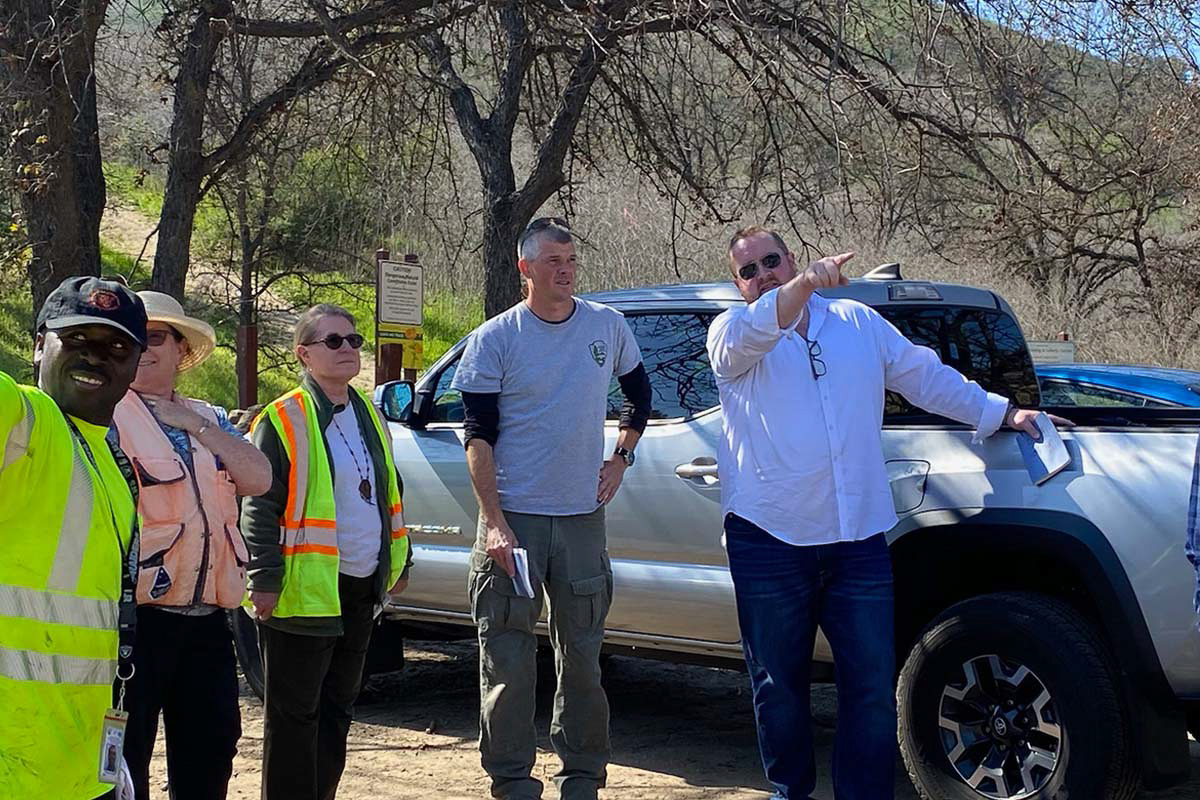
For RDA, that means working collaboratively with the MHA Nation Parks & Reserve Team and project partners to identify opportunities that respect cultural priorities, strengthen ecological systems, and create meaningful ways for people to experience and understand the land.
A landscape for generations to come

The establishment of the TAT National Park represents an opportunity to protect land while strengthening the connections between culture, ecology, and community.

Together with improvements along Highway 22, the work supports a shared vision in which cultural restoration, ecological resilience, public safety, wildlife movement, and community well-being can advance together.

Rather than treating conservation, transportation, and public experience as separate objectives, the planning process considers how each can contribute to a landscape that remains meaningful, resilient, and connected for generations to come.

A closer look

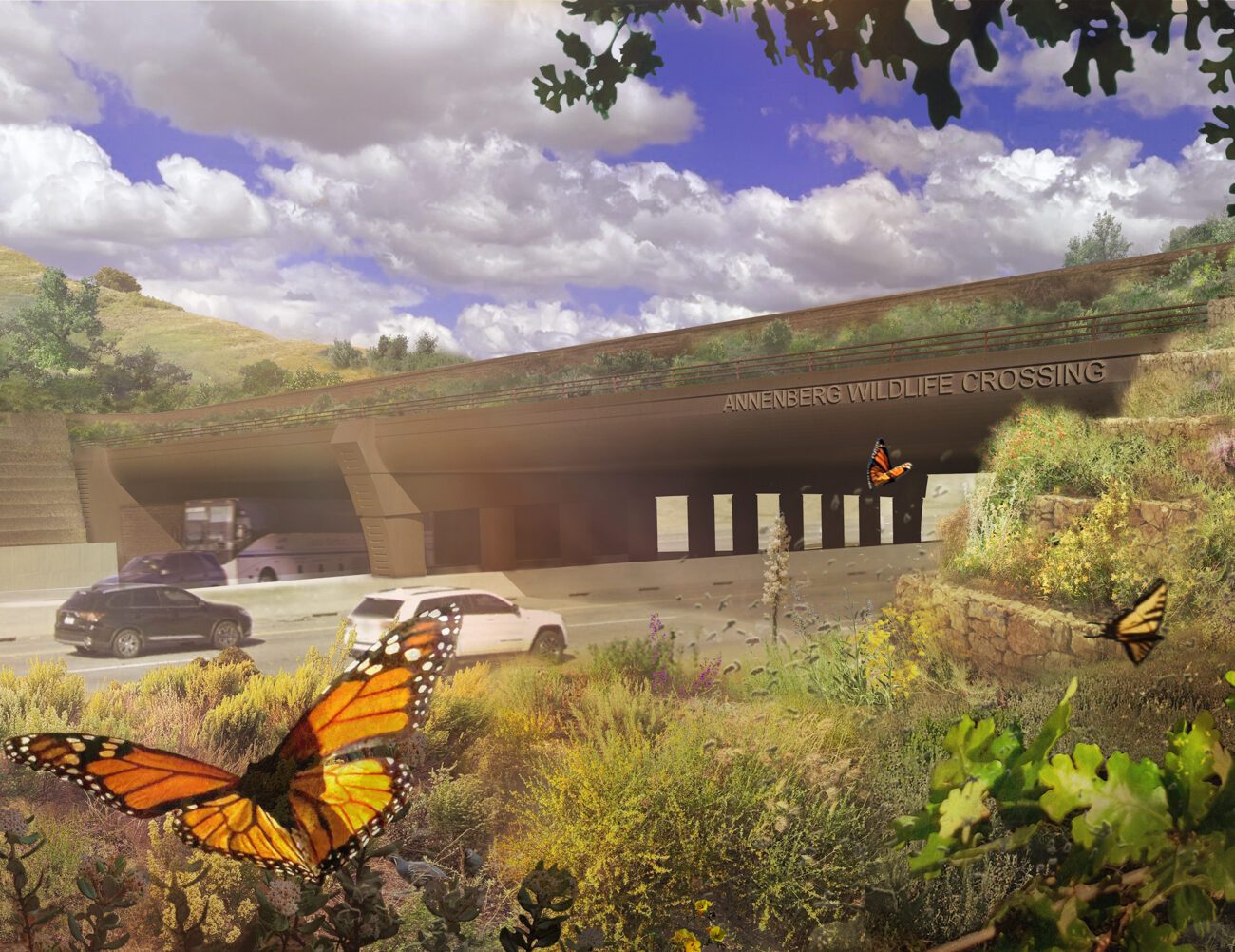
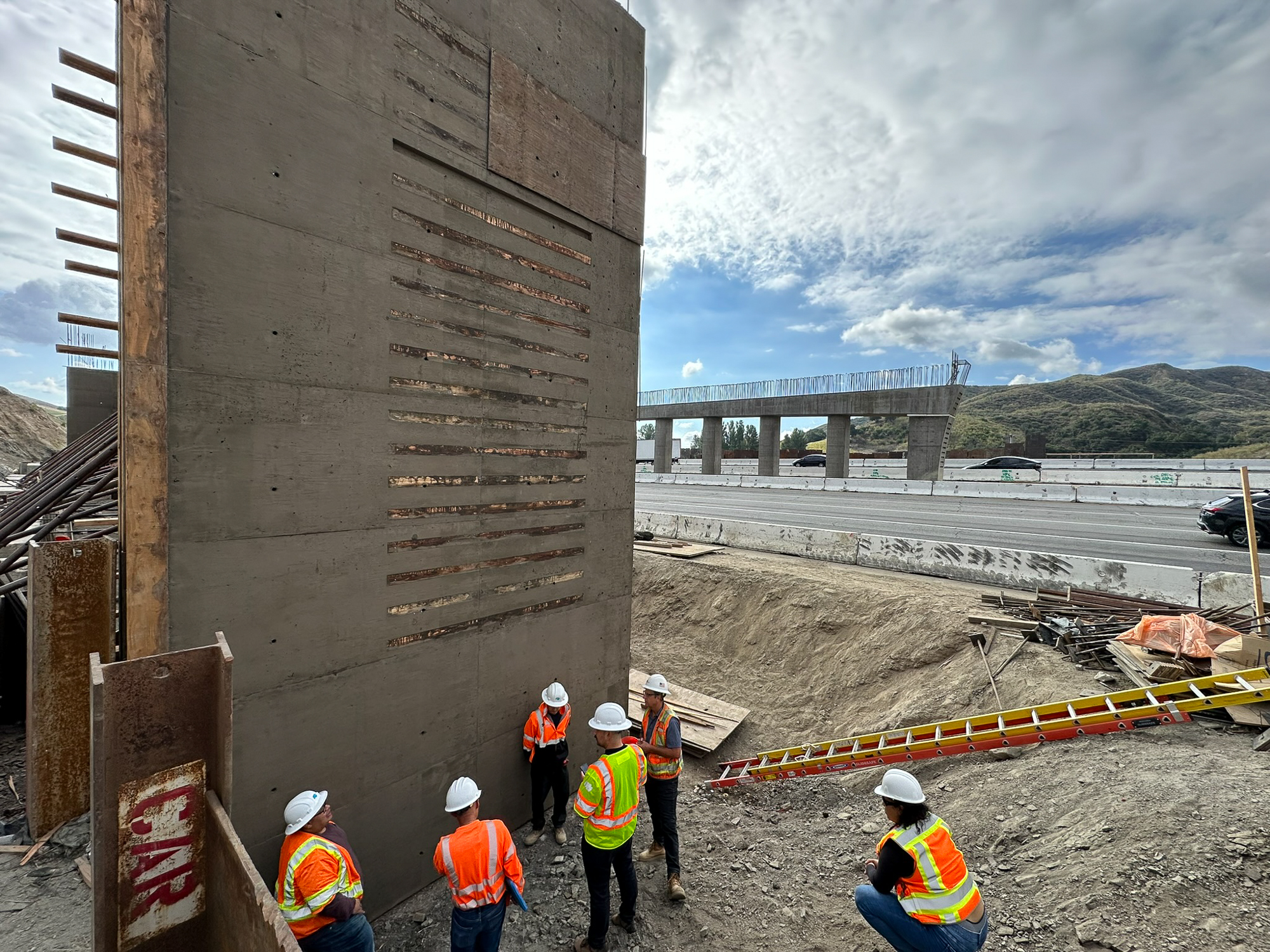
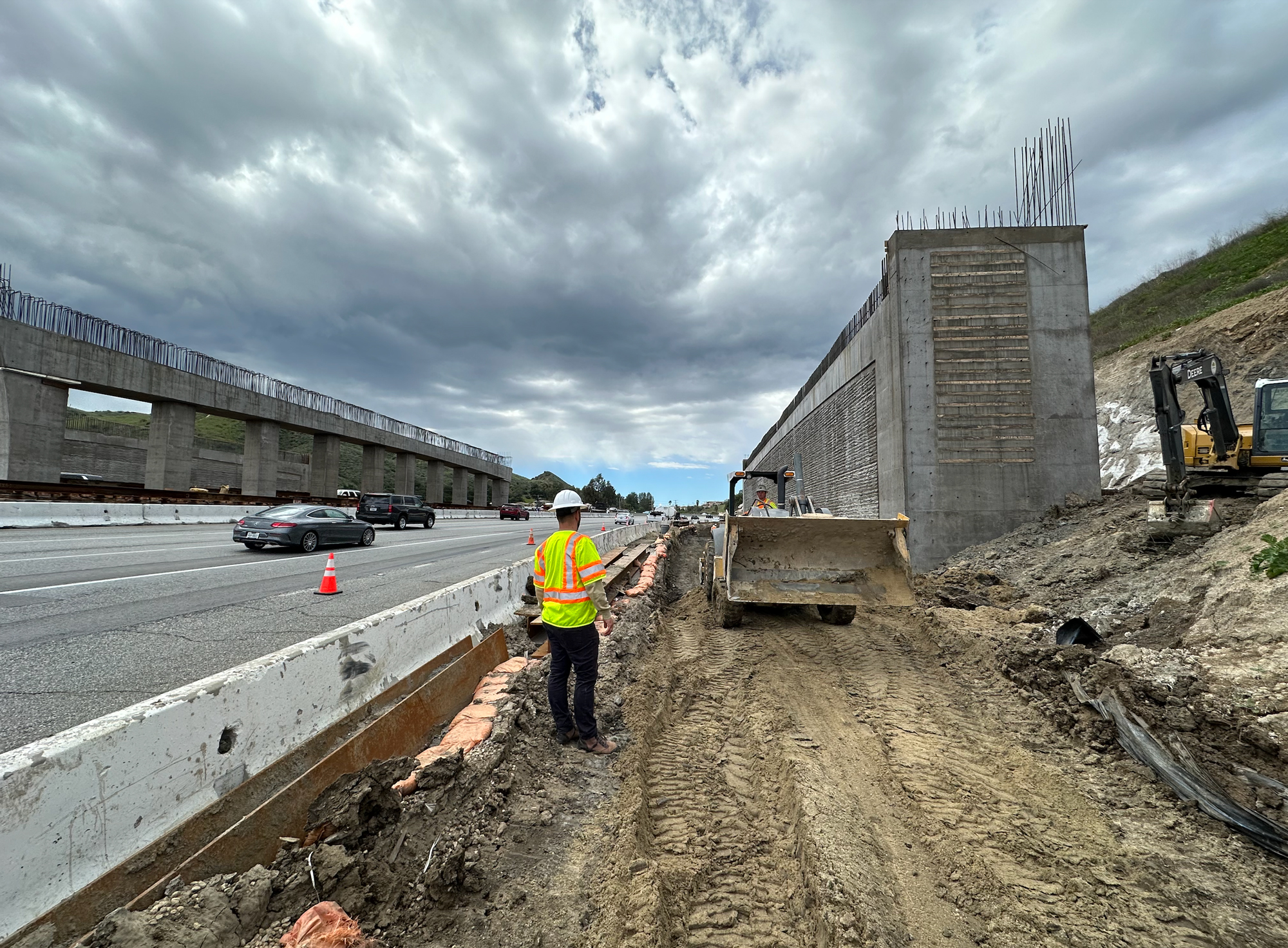
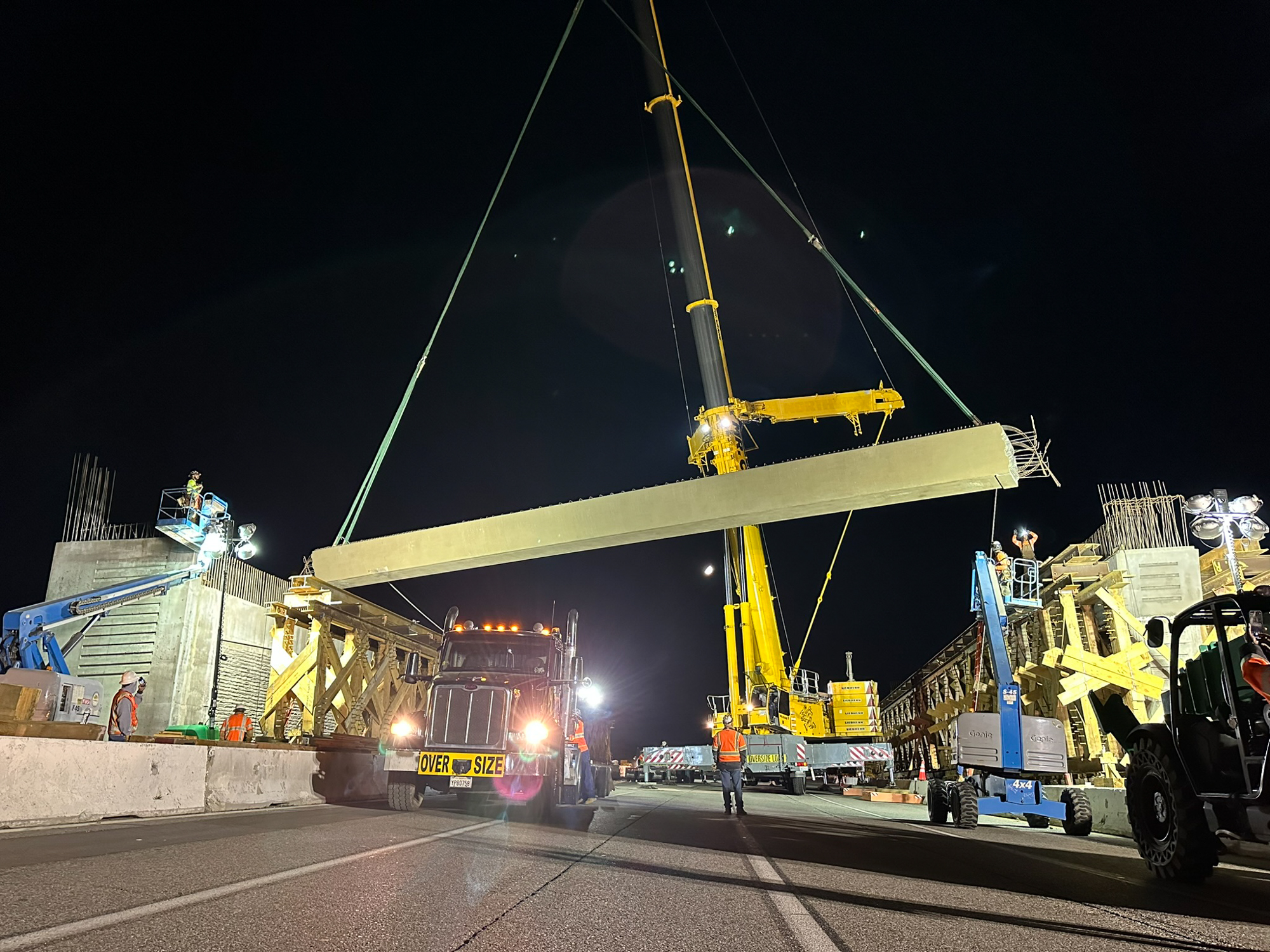
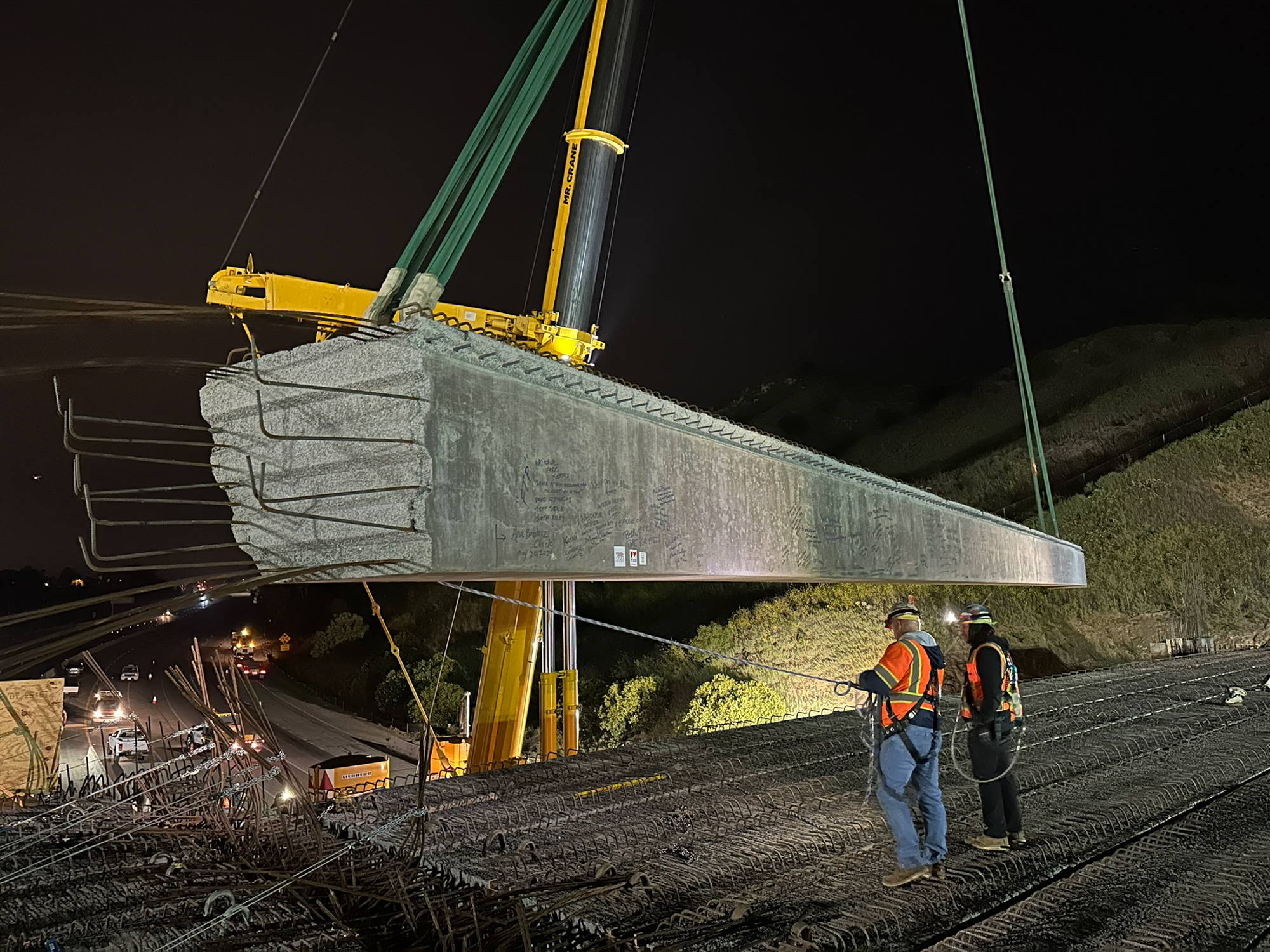
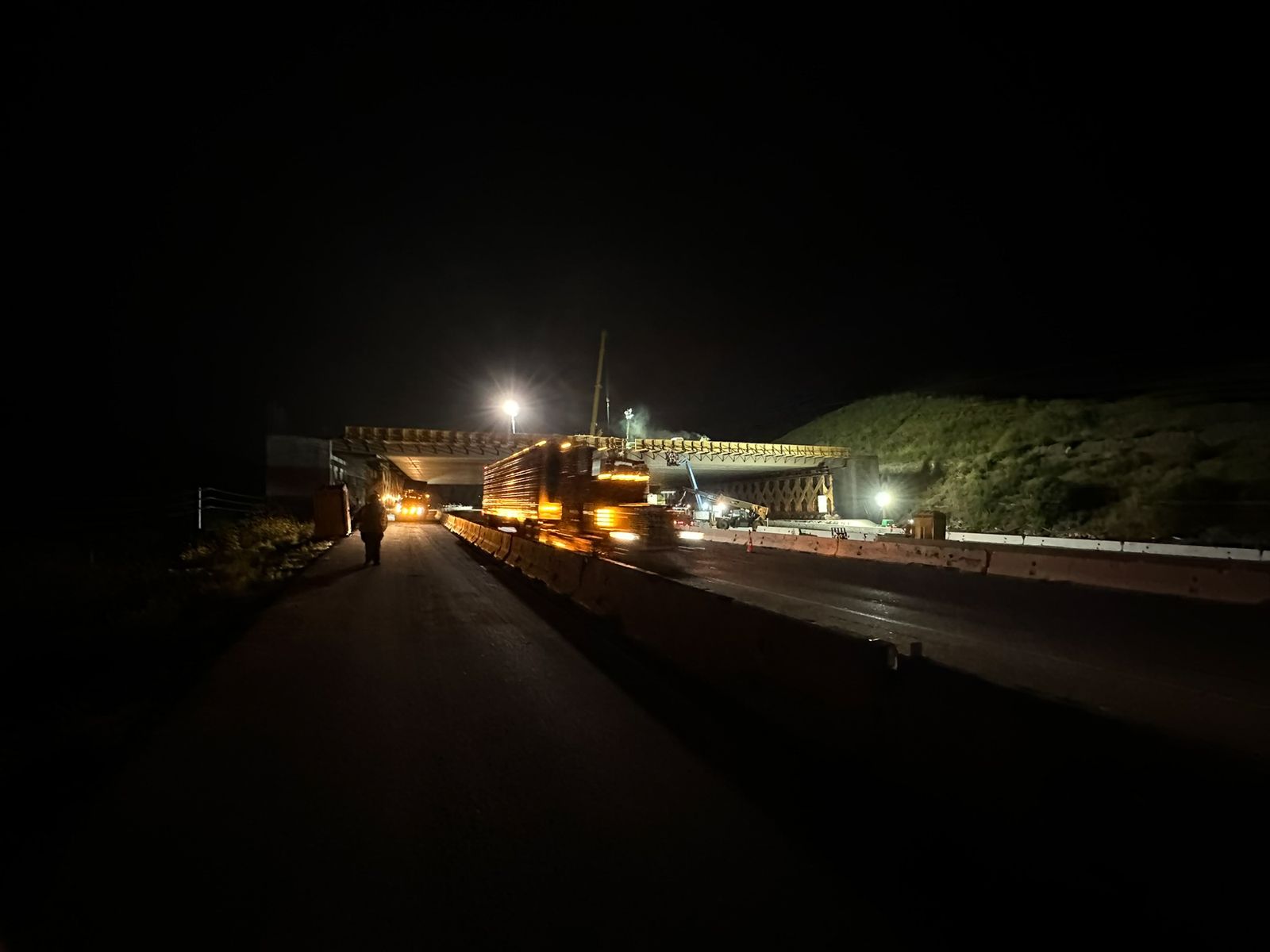
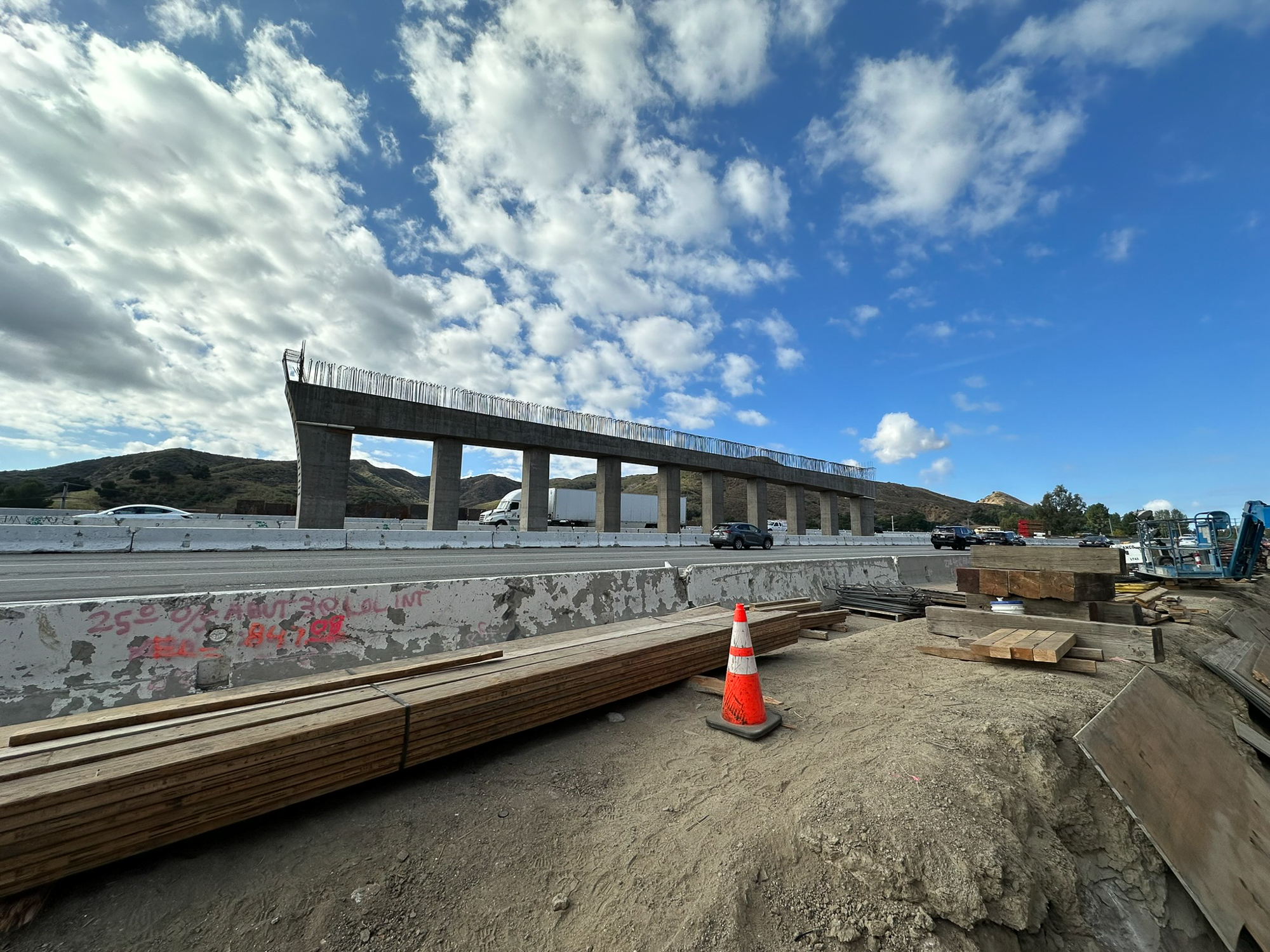
Want an even more in depth look at our approach to this project and its various stages of development? Our full design story behind the Wallis Annenberg Wildlife Crossing project is coming soon.

Our work spans landscapes of every scale.

From regional ecological infrastructure to parks, campuses, and public spaces, every project begins with the same commitment to understanding place and designing for lasting impact.

Stay connected.

Have a project in mind or a place that deserves thoughtful attention? We’d welcome the opportunity to learn more and explore what’s possible.

Have a project in mind?

Do not hesitate to say