
ARC Wildlife Crossing Competition Winner

Rethinking infrastructure from the perspective of wildlife

West Vail Pass, Colorado

Work performed by Robert Rock during his tenure at Michael Van Valkenburgh Associates.

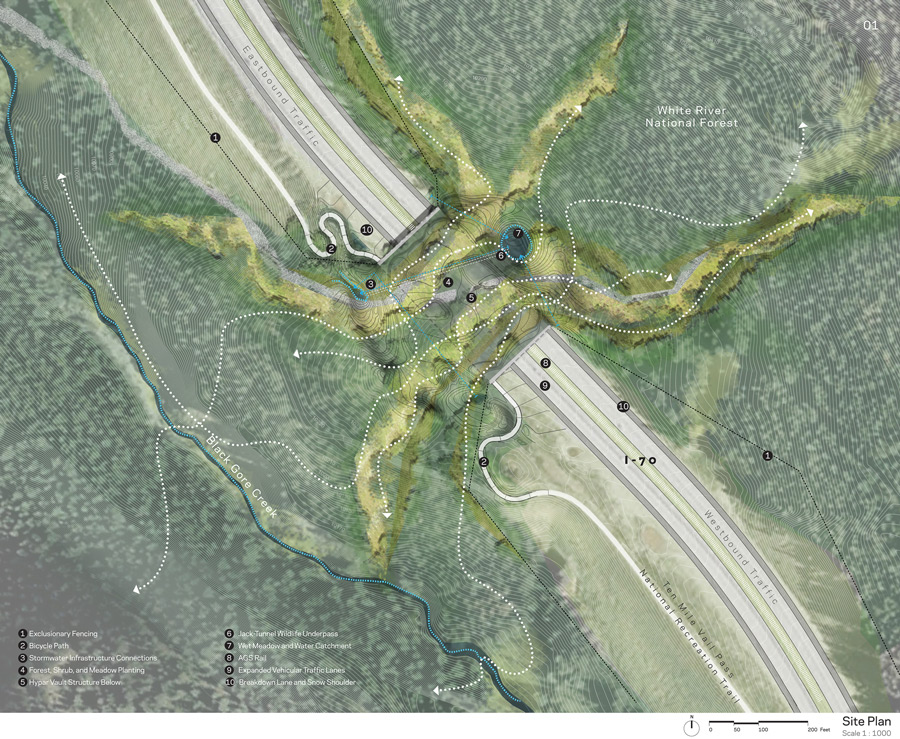
Colorado’s I-70 corridor cuts across an important landscape in the Southern Rocky Mountains. While essential for human movement, the highway creates a substantial barrier for wildlife moving between habitats.

The ARC International Wildlife Crossing Infrastructure Design Competition challenged teams to reconsider that relationship and imagine infrastructure capable of supporting ecological continuity alongside transportation.

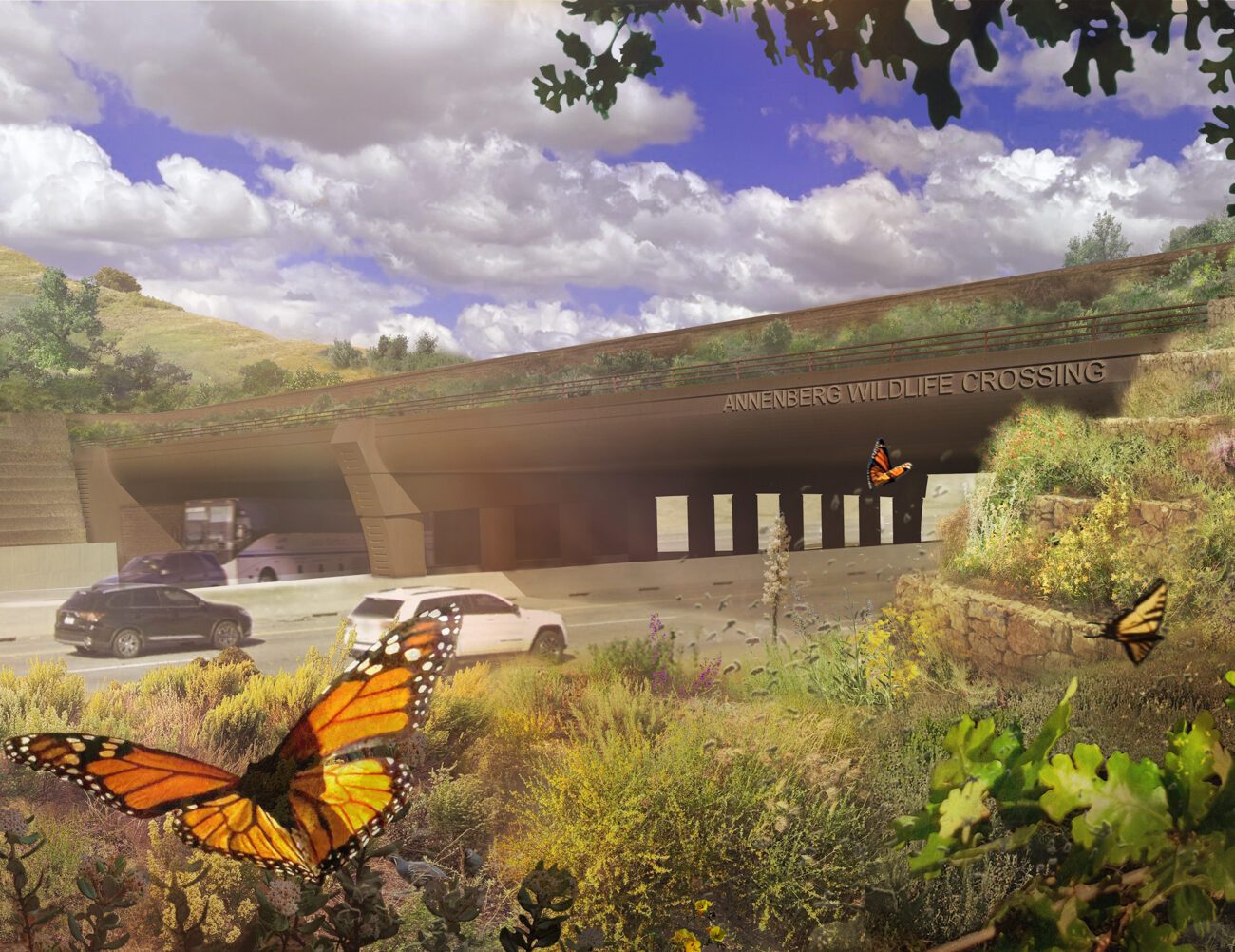
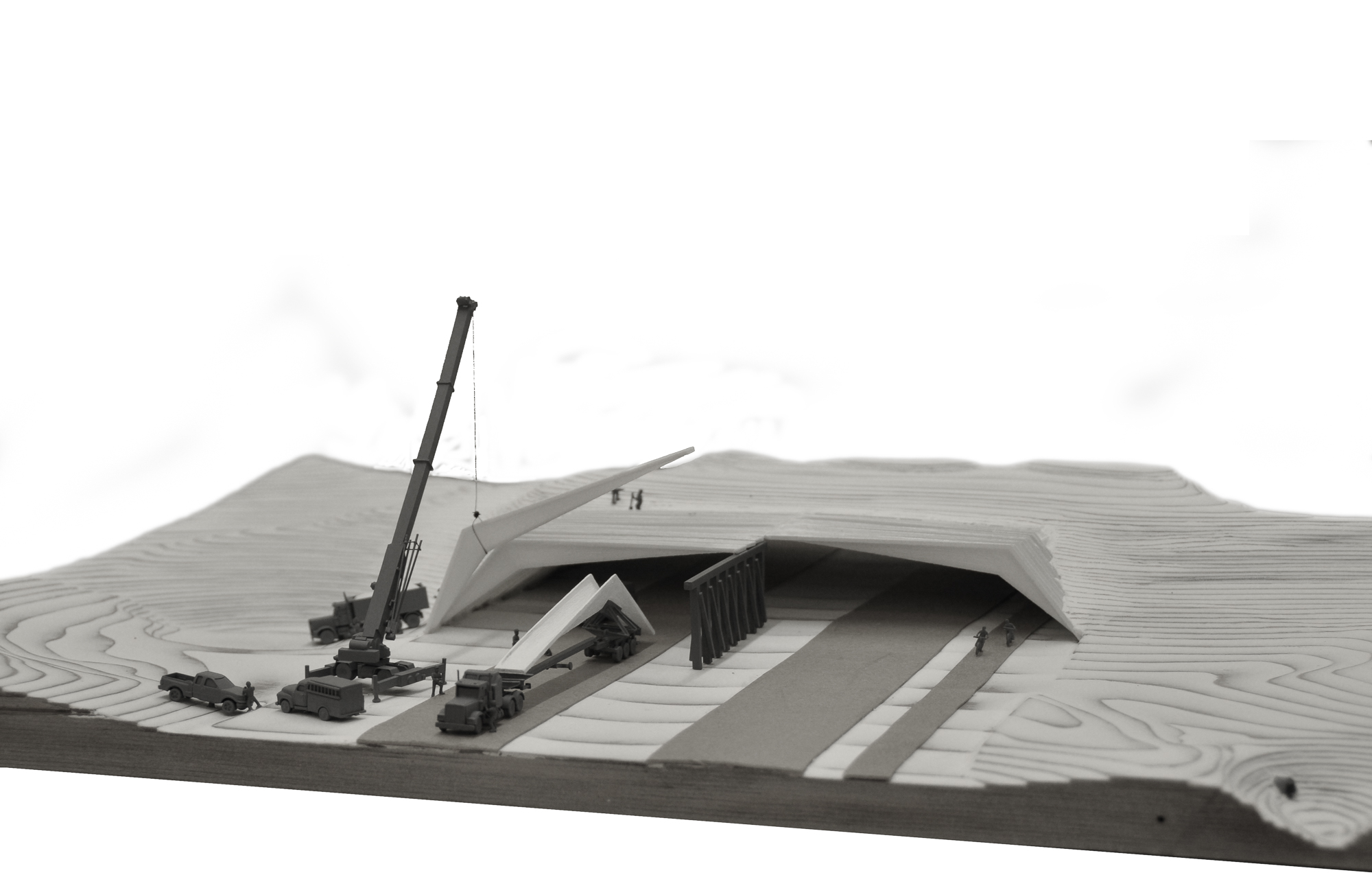
ARC Wildlife Crossing design

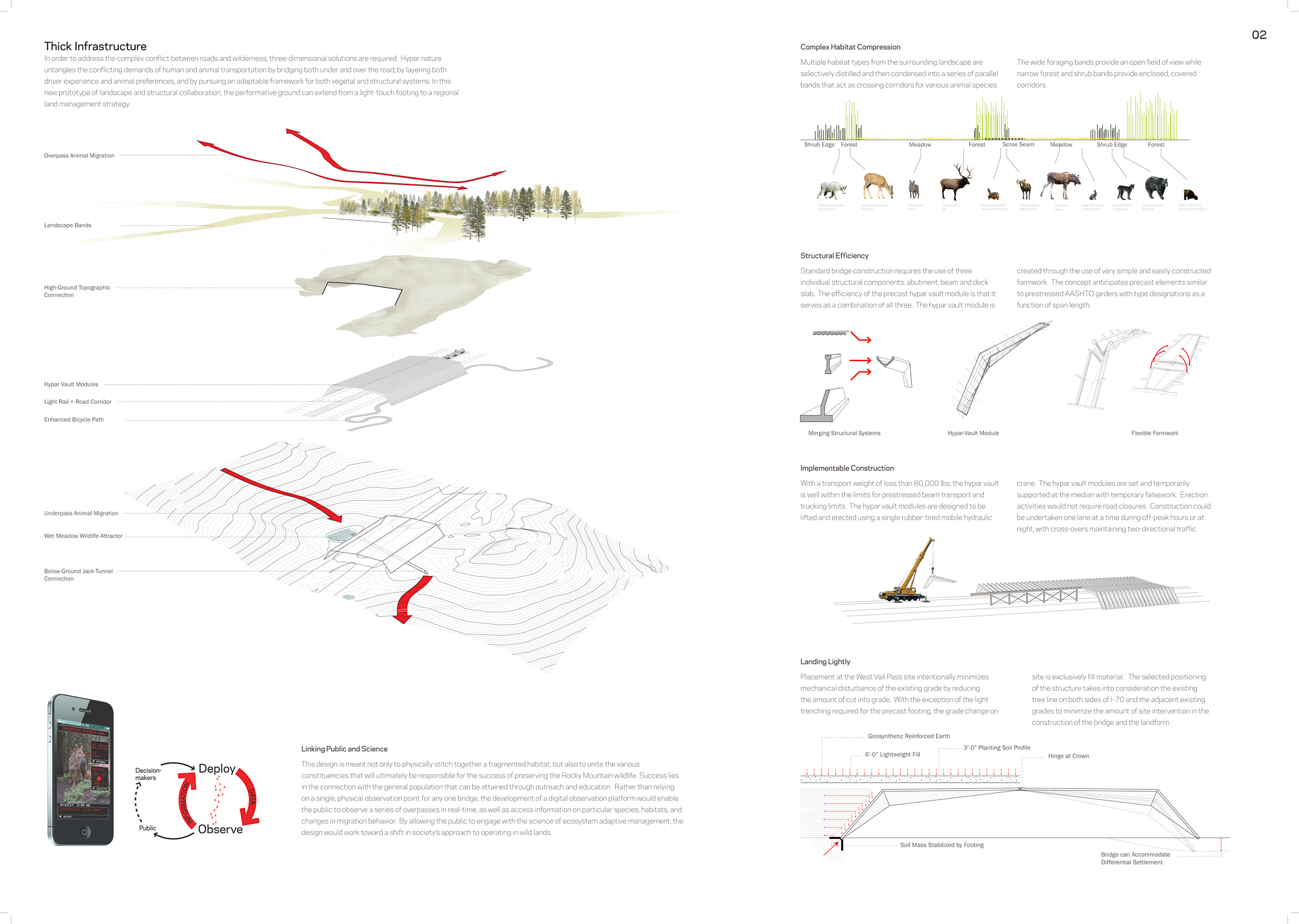
The winning proposal, hypar-nature, was led by Rock while at Michael Van Valkenburgh Associates in collaboration with HNTB. Its central idea reversed the conventional starting point: rather than designing a bridge for people and adapting it for animals, the landscape itself would guide the design.

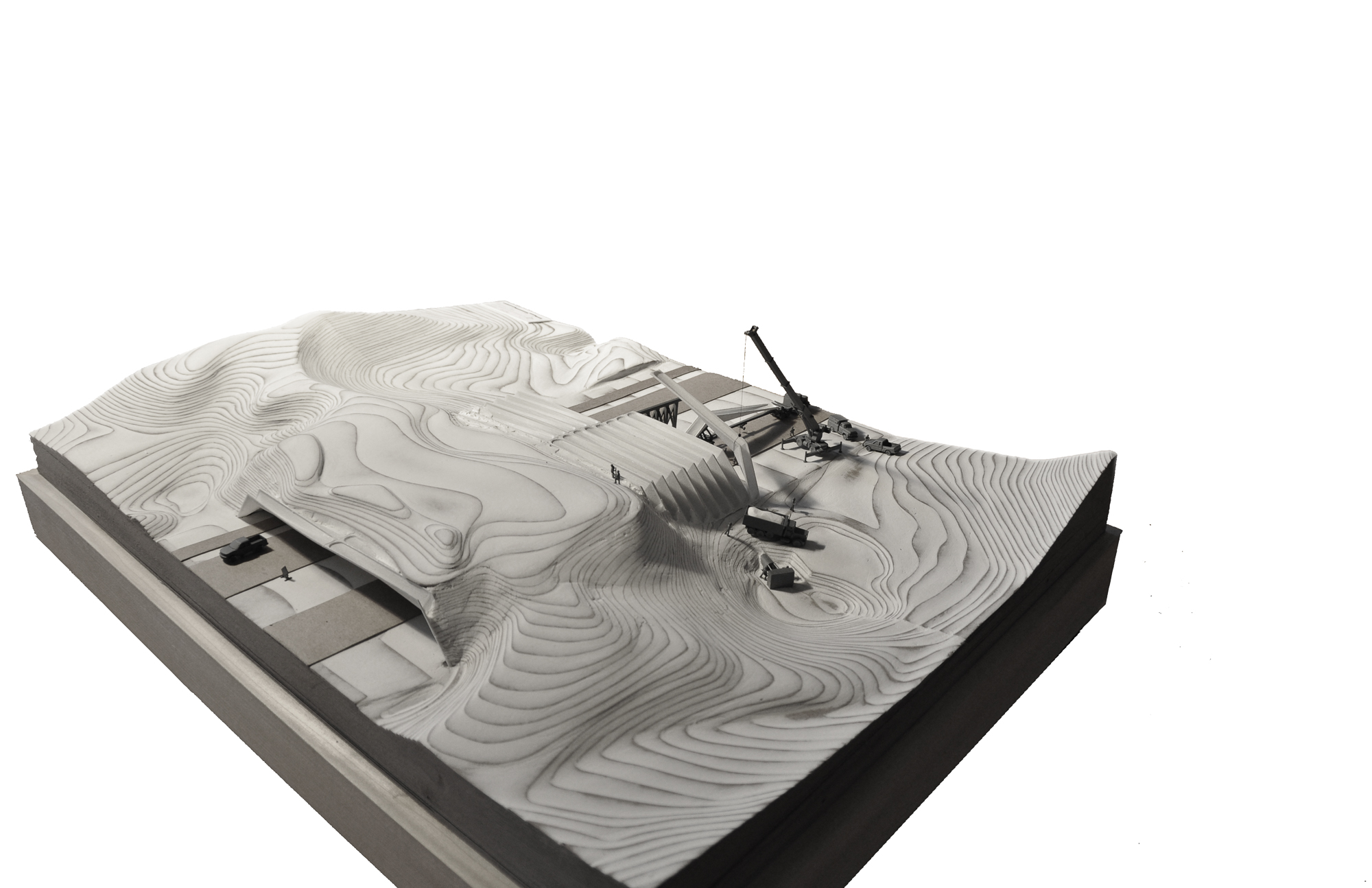
Forest, meadow, shrubland, and rocky slope habitat types were extended across the structure so animals would encounter the crossing as a continuation of the surrounding terrain.

ARC Wildlife Crossing design

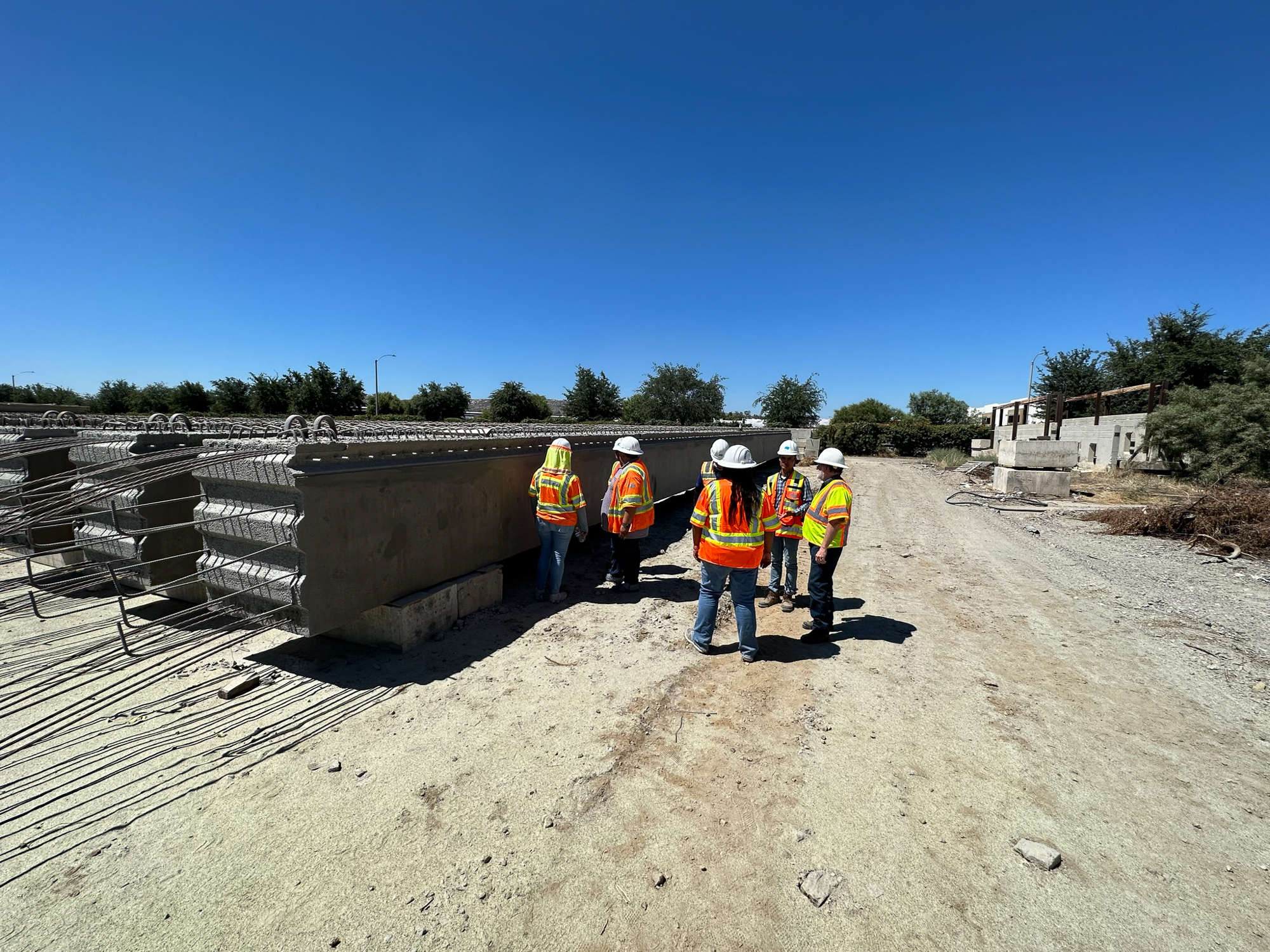
A modular system of precast concrete forms was developed to reduce disturbance during construction while allowing the structure to expand or adapt to different landscapes and wildlife pressures.

That flexibility allowed the proposal to function as more than a solution for one location. It became a prototype for how wildlife crossings might be approached at a larger regional scale.

ARC Wildlife Crossing design

Redefining wildlife crossings

Rather than placing landscaping on top of conventional infrastructure, hypar-nature treats habitat as the organizing system, with the structure designed to carry the landscape—not the other way around.

Unanimously selected by an international jury, the proposal has since become a reference in landscape architecture and road-ecology education, helping broaden the conversation around wildlife crossings as essential infrastructure.
An idea with lasting influence

The proposal was unanimously selected by an international jury and has since become a reference in landscape architecture and road-ecology education, helping broaden the conversation about wildlife crossings as essential infrastructure.

A closer look

Want an even more in depth look at our approach to this project and its various stages of development? View the full design story behind the Wallis Annenberg Wildlife Crossing project.

Our work spans landscapes of every scale.

From regional ecological infrastructure to parks, campuses, and public spaces, every project begins with the same commitment to understanding place and designing for lasting impact.

Stay connected.

Have a project in mind or a place that deserves thoughtful attention? We’d welcome the opportunity to learn more and explore what’s possible.

Have a project in mind?

Do not hesitate to say